

When planning an LED display project, LED display cost is one of the most important factors buyers consider. Whether you are purchasing an indoor LED video wall, outdoor advertising screen, rental LED display, or commercial digital signage solution, reducing cost while maintaining performance is the key to achieving better ROI.
Many buyers search for how to reduce LED display cost, how to lower LED screen price, or affordable LED display solutions. However, reducing LED display cost does not simply mean choosing the cheapest product. The right approach is to optimize specifications, select suitable technology, and avoid unnecessary expenses.
This guide explains practical ways to reduce LED screen cost without sacrificing quality and reliability.
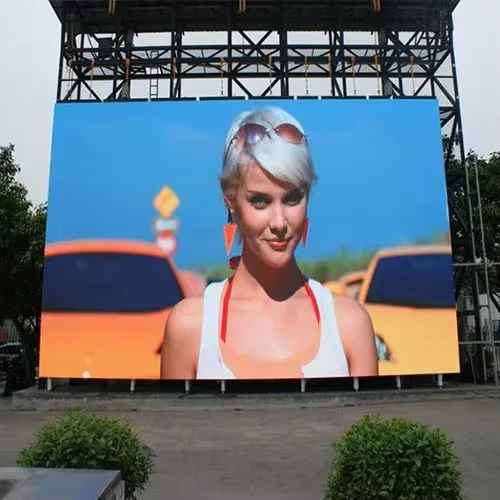
一、Understanding LED Display Cost Factors
Before reducing LED display cost, it is important to understand what determines the final price.
The main factors include:
- Pixel pitch
- LED chip quality
- Cabinet material
- Screen size
- Brightness requirements
- Refresh rate
- Control system
- Installation method
- Customization requirements
Among these factors, pixel pitch and screen size usually have the biggest impact on LED display price.
二、Choose the Right Pixel Pitch Instead of the Smallest Pixel Pitch
One of the most common mistakes buyers make is choosing the highest resolution LED display without considering actual viewing distance.
A smaller pixel pitch means:
- More LED chips per square meter
- Higher resolution
- Higher manufacturing cost
For example:
- P1.2 LED display costs much more than P2.5
- P3 outdoor LED display costs more than P5
However, if viewers are standing far away, the difference may not be noticeable.
How to choose pixel pitch:
Indoor applications:
- Conference room: P1.5–P2
- Retail store: P1.8–P2.5
- Large hall: P2.5–P3
Outdoor applications:
- Commercial advertising: P4–P5
- Large billboard: P5–P10
Choosing the correct pixel pitch can reduce LED screen cost significantly.
三、Avoid Over-Specifying Brightness
Brightness is another factor that affects LED display price.
Many buyers choose higher brightness than necessary.
Recommended brightness:
Indoor LED display:
- 600–1200 nits is usually enough
Outdoor LED display:
- 5000–7000 nits is commonly used
Higher brightness increases:
- LED chip requirements
- Power consumption
- Heat generation
- System cost
Choosing suitable brightness can reduce both initial investment and operating costs.
四、Select Standard LED Cabinet Sizes
Customized LED displays often increase production costs.
Reasons include:
- Special cabinet design
- Additional engineering
- More complex installation
- Longer production time
To reduce cost, choose standard cabinet sizes such as:
- 500×500mm LED cabinet
- 500×1000mm LED cabinet
Standard products usually provide:
- Lower manufacturing cost
- Faster delivery
- Easier maintenance
- More available spare parts
五、Choose Fixed LED Display Instead of Rental LED Display for Permanent Projects
The application type affects LED display cost.
Rental LED Display
Designed for frequent installation and transportation:
- Lightweight cabinet
- Fast-lock system
- Higher structural requirements
Therefore, rental LED screens usually cost more.
Fixed LED Display
Better for permanent installation:
- Shopping malls
- Buildings
- Conference rooms
- Control centers
For long-term projects, fixed LED displays usually provide better cost efficiency.
六、Balance Refresh Rate Requirements
A high refresh rate improves image quality, especially for camera recording.
However, not every project requires the highest specification.
Recommended refresh rates:
- Advertising display: 1920Hz
- Professional events: 3840Hz
- Broadcast applications: 7680Hz
Choosing the appropriate refresh rate avoids unnecessary upgrades.
七、Consider Energy Consumption and Long-Term Cost
The cheapest LED display is not always the lowest-cost solution.
Total cost includes:
- Purchase price
- Electricity consumption
- Maintenance cost
- Replacement parts
- Downtime costs
Energy-saving LED displays can reduce operating expenses through:
- Efficient power supplies
- Low-power driver ICs
- Automatic brightness adjustment
八、Reduce Unnecessary Customization
Creative LED displays can create impressive visual effects, but customization increases cost.
Examples:
Higher-cost options:
- Curved LED screens
- Irregular shapes
- Special cabinet designs
- Complex installation structures
If the project does not require special appearance, a standard LED video wall is usually more economical.
九、Compare Total Value Instead of Only LED Screen Price
Many buyers focus only on the lowest quotation.
However, a low-cost LED display may result in:
- Higher failure rates
- More maintenance
- Shorter lifespan
- Poor after-sales support
A better evaluation method is:
Total Cost of Ownership (TCO) = Purchase Cost + Operating Cost + Maintenance Cost
A slightly higher-quality LED display may provide better long-term savings.
十、Buy Directly From LED Display Manufacturer
Purchasing directly from an LED display manufacturer can reduce costs by removing unnecessary middle layers.
Advantages include:
- Factory-direct pricing
- Technical support
- Custom configuration
- Faster communication
- Spare parts support
For international buyers, choosing a reliable LED display supplier is important for controlling both price and quality.
十一、Plan Your LED Display Project Before Purchasing
Poor planning often creates unnecessary expenses.
Before ordering, confirm:
- Installation location
- Viewing distance
- Screen size
- Content type
- Indoor or outdoor environment
- Maintenance requirements
A professional LED display solution provider can help optimize specifications and avoid overspending.
十二、Common Mistakes That Increase LED Display Cost
Choosing Too Small Pixel Pitch
Higher resolution does not always mean better ROI.
Buying Based Only on Low Price
The cheapest LED display may have:
- Lower-quality components
- Higher failure rate
- Higher maintenance cost
Ignoring Installation Cost
The final project cost includes:
- Steel structure
- Power system
- Installation labor
- Control system
Selecting Unnecessary Features
Examples:
- Extremely high brightness
- Ultra-high refresh rate
- Advanced functions not required
十三、How Much Can You Save by Optimizing Specifications?
Depending on the project, smart specification choices can reduce LED display cost by:
- Choosing suitable pixel pitch: 20%–50% savings
- Using standard cabinets: 10%–20% savings
- Reducing unnecessary customization: 10%–30% savings
The actual savings depend on project requirements and configuration.
十四、Frequently Asked Questions
What is the cheapest LED display solution?
The most affordable LED display solution is usually one with:
- Appropriate pixel pitch
- Standard cabinet design
- Suitable brightness
- No unnecessary customization
Does smaller pixel pitch increase LED display cost?
Yes. Smaller pixel pitch requires more LED chips and higher manufacturing precision, increasing the LED screen price.
How can I reduce outdoor LED display cost?
Choose the correct pixel pitch, avoid excessive brightness, use standard cabinets, and select a reliable manufacturer.
Is a cheap LED display worth buying?
The lowest price is not always the best choice. Quality components and reliable support usually provide better long-term value.
十五、Final Thoughts
Reducing LED display cost is not about selecting the cheapest screen—it is about choosing the most suitable solution for your application.
The best cost-saving strategy is to optimize:
- Pixel pitch
- Brightness
- Cabinet design
- Installation method
- Long-term operating expenses
With proper planning and technical guidance, businesses can achieve a high-performance LED display solution while controlling investment and maximizing return on investment.
