

When planning an LED screen project, one of the most important concerns is LED display cost. Whether you are buying an indoor LED video wall, outdoor advertising screen, or rental LED display, optimizing cost without sacrificing quality is key to maximizing ROI.
If you are searching for how to reduce LED display price, LED screen cost saving tips, or cheap LED display solutions without losing quality, this guide will help you make smarter purchasing decisions.
一、Understanding LED Display Cost Structure
Before reducing cost, it is important to understand what affects the price of an LED display.
1. LED Module and Pixel Pitch
The biggest cost factor is the LED module quality and pixel pitch.
- Smaller pixel pitch (P1.2, P1.5, P2) = higher cost
- Larger pixel pitch (P4, P5, P6, P10) = lower cost
Fine pitch LED displays require more LED chips per square meter, increasing cost significantly.
2. Cabinet Type and Material
LED cabinet structure also impacts pricing:
- Die-casting aluminum cabinets → higher cost, better precision
- Iron cabinets → lower cost, heavier structure
- Rental cabinets → higher cost due to fast-lock design
3. Control System and Refresh Rate
High-performance systems increase cost:
- High refresh rate (3840Hz–7680Hz)
- Premium driver ICs
- Advanced receiving cards
4. Brightness and Application Type
- Indoor LED displays → lower brightness, lower cost
- Outdoor LED displays → higher brightness, higher cost
二、How to Reduce LED Display Cost Effectively
Now let’s explore practical strategies to reduce LED screen cost without sacrificing essential performance.
1. Choose the Right Pixel Pitch (Most Important Factor)
Many buyers overpay by choosing unnecessarily small pixel pitch.
Smart selection rule:
- 3–5 meters viewing distance → P2.5 or P3 is enough
- 5–10 meters → P4 or P5 is ideal
- 10+ meters → P6–P10 is sufficient
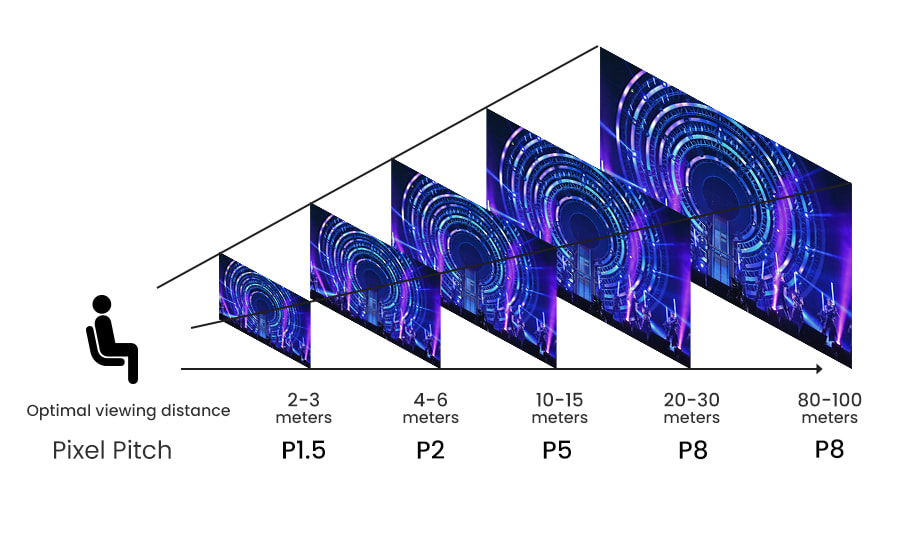
Choosing the correct pixel pitch can reduce cost by 20%–50%.
2. Avoid Over-Specification of Brightness
Higher brightness = higher cost and energy consumption.
- Indoor LED: 600–1000 nits is enough
- Outdoor LED: 4500–7000 nits is usually sufficient
Overpaying for extreme brightness is unnecessary in most projects.
3. Select Standard Cabinet Sizes
Custom-shaped LED displays increase engineering and production costs.
To reduce cost:
- Use standard cabinet sizes
- Avoid curved or creative structures unless necessary
- Minimize customization complexity
Standardization reduces both production and maintenance costs.
4. Optimize Refresh Rate Requirements
Not every project needs ultra-high refresh rate.
- Standard advertising: 1920Hz is enough
- Professional video/events: 3840Hz recommended
- Broadcast-level: 7680Hz required only for TV production
Choosing appropriate refresh rate avoids unnecessary cost increases.
5. Choose Fixed LED Instead of Rental LED (for Long-Term Use)
If your project is permanent:
- Fixed LED display = lower long-term cost
- Rental LED display = higher cost due to mobility design
Rental cabinets include extra structural reinforcement, increasing price.
6. Use Energy-Efficient LED Technology
Modern LED systems can significantly reduce operating costs:
- Low power consumption driver IC
- Energy-saving power supply
- Automatic brightness adjustment
This reduces long-term electricity expenses.
7. Simplify Control System Requirements
Advanced systems like cloud CMS, AI control, or multi-screen synchronization increase cost.
If not needed:
- Use standard synchronous control system
- Avoid unnecessary smart upgrades
- Keep content management simple
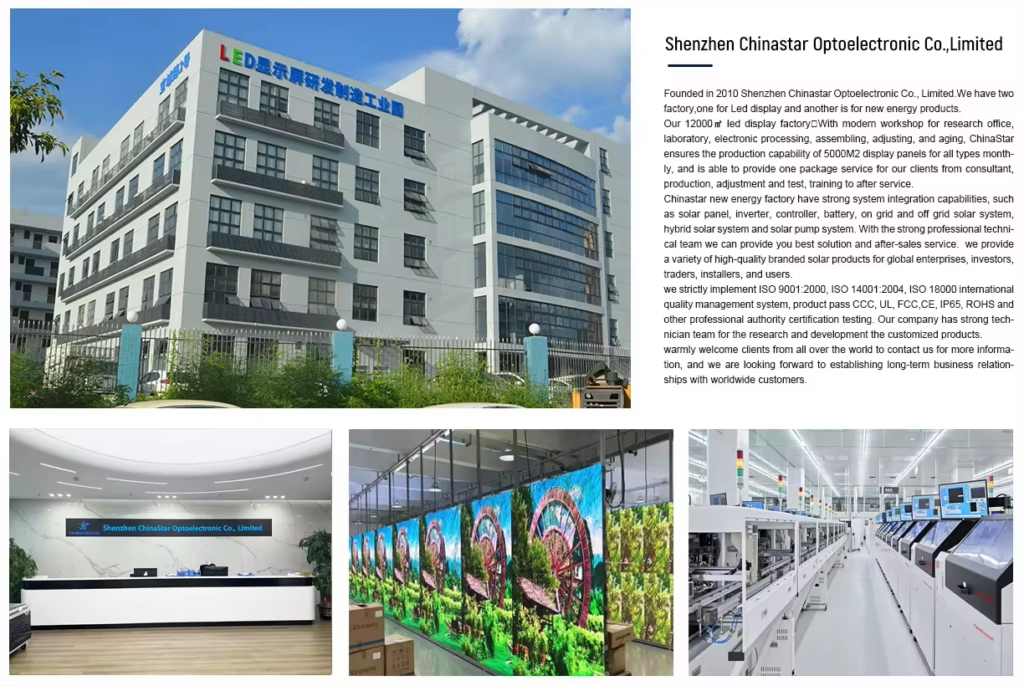
8. Buy Directly from Manufacturer
One of the most effective ways to reduce LED display cost is to eliminate middle layers.
Benefits of direct factory sourcing:
- Lower price per square meter
- Custom configuration options
- Better technical support
- Spare parts availability
9. Plan Modular Expansion Instead of Full Investment
Instead of building a large LED wall at once:
- Start with a smaller modular system
- Expand later based on demand
- Reduce initial capital investment
10. Compare Total Cost, Not Just Unit Price
Many buyers focus only on “price per square meter,” but real cost includes:
- Installation cost
- Maintenance cost
- Power consumption
- Lifespan and replacement cost
A slightly higher-quality LED display often reduces total cost over time.
三、Common Mistakes That Increase LED Display Cost
Avoid these mistakes:
- Choosing too fine pixel pitch for long viewing distance
- Over-specifying brightness and refresh rate
- Ignoring installation complexity
- Buying without project planning
- Focusing only on cheapest supplier
四、Final Thoughts: Smarter Buying = Lower Total Cost
Reducing LED display cost is not about choosing the cheapest product—it is about choosing the right configuration for your application.
By optimizing pixel pitch, brightness, refresh rate, and installation design, you can significantly reduce cost while maintaining performance.
A well-planned LED display investment delivers:
- Lower upfront cost
- Lower maintenance cost
- Higher long-term ROI
In the LED industry, smart specification decisions matter more than anything else.
Contact Chinastar Team for more detailed advice on your project and to get a quote. We are available 24/7 to assist you.
