

Across primary schools, secondary schools, colleges, and multi-academy trusts, LED screens and digital displays are rapidly becoming an essential communication tool. From daily announcements to safeguarding messages, digital signage is transforming how information is shared on campus.
However, successful digital signage projects are not just about buying a screen. Schools that see real, long-term value are those that approach budgeting strategically—considering purpose, lifespan, scalability, and whole-school impact from the very beginning.
If digital signage is part of your new-year planning, here are the key factors every education setting should evaluate before committing budget.
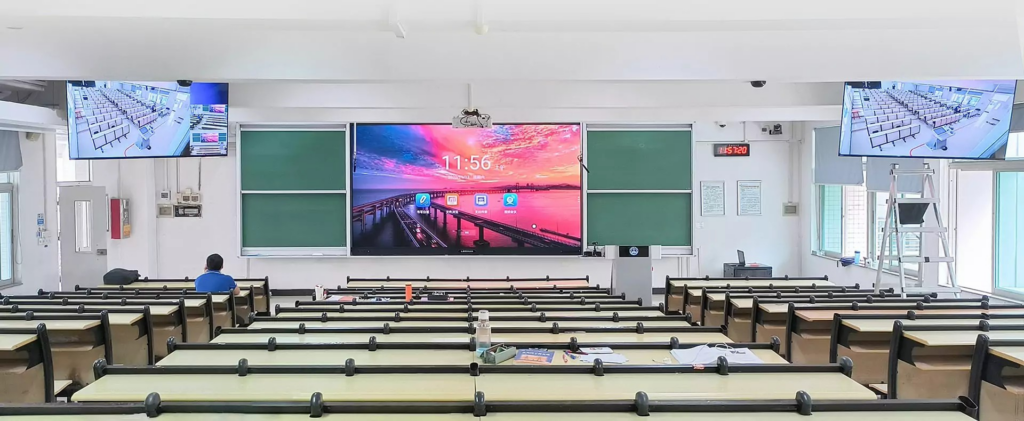
一、Start With the Problem, Not the Product
Before discussing costs, schools should clearly define what problem digital signage is intended to solve.
Common objectives include:
- Reducing dependence on printed notices and posters
- Improving safeguarding and emergency communication
- Delivering consistent messaging across large or multi-site campuses
- Enhancing the visitor experience for parents, inspectors, governors, and partners
- Supporting students with visual reminders, timetables, and behaviour prompts
Clarifying the purpose early prevents over-investing in unnecessary features—or under-specifying a system that fails to meet real needs. For example, a corridor noticeboard replacement requires a very different specification compared to an LED screen in a reception area or assembly hall.
二、Capital Investment or Ongoing Operational Spend?
One of the first budgeting questions schools face is how digital signage fits into financial planning.
In most education environments:
- LED screens and fixed digital displays are treated as capital expenditure
- Software licences, content platforms, and occasional maintenance typically fall under revenue budgets
Understanding this distinction early helps align digital signage with estates planning, ICT strategies, and longer-term improvement plans, rather than forcing it into short-term or discretionary budgets.
三、How Many Screens Do You Really Need?
A common mistake is budgeting for digital signage on a screen-by-screen basis. In practice, schools often achieve better value by thinking in terms of a connected signage system, not isolated displays.
Key questions to consider:
- Could one strategically placed screen replace multiple noticeboards?
- Are there areas where important information is frequently missed?
- Would shared content across several screens reduce staff workload?
A small, centrally managed network of screens often delivers more impact—and better value—than scattered, ad-hoc installations added over time.
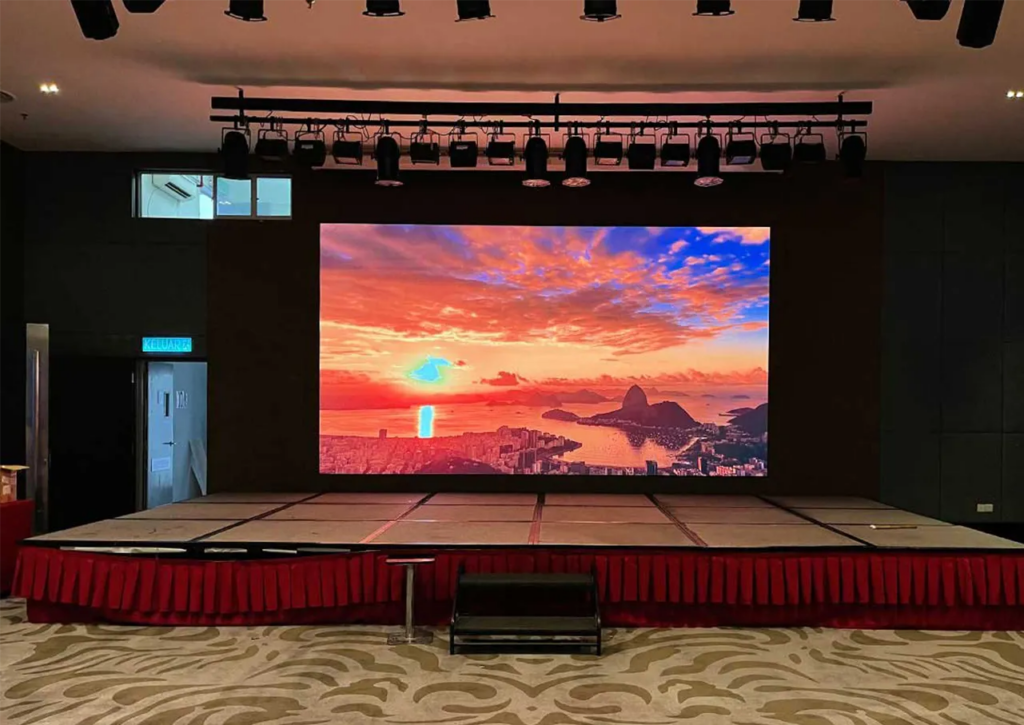
四、Looking Beyond the Purchase Price: Total Cost of Ownership
The upfront cost of a digital display is only part of the investment. Schools should also budget for the total cost of ownership, including:
- Content management software (usually modest but essential)
- Power consumption (modern LED displays are increasingly energy-efficient)
- Occasional servicing or technical support
- Staff time for content updates and management
Choosing education-friendly systems with intuitive content controls helps keep ongoing costs low and prevents digital signage from becoming another administrative burden for already stretched staff.
五、Will the Display Last the Full Planning Cycle?
Schools typically plan investments over several years, not months. Durability and lifespan should therefore be a key budgeting consideration.
High-quality LED screens designed for commercial or educational environments can operate reliably for many years with minimal performance degradation. Over time, they often prove more cost-effective than repeated spending on printed materials, posters, and short-term display solutions.
Lower-cost consumer-grade screens may appear attractive initially, but often lead to higher replacement and maintenance costs later.
六、Supporting Safeguarding and Compliance
Safeguarding has become a central factor in education technology decisions—and digital signage can play a meaningful role.
Well-planned signage systems can:
- Display up-to-date safeguarding contacts and procedures
- Reinforce behaviour expectations and school values
- Deliver clear, instant instructions during emergencies
- Reduce cluttered noticeboards where critical information can be overlooked
From a budgeting perspective, digital signage should be viewed not only as a communication tool, but also as part of a school’s wider safeguarding, pastoral, and compliance strategy.
七、Planning for Growth and Scalability
For multi-academy trusts and expanding schools, scalability is essential.
Budget planning should consider future needs such as:
- Adding screens at new sites or buildings
- Sharing consistent messaging across multiple schools
- Centralised management with local flexibility
Choosing a scalable system from the outset avoids premature equipment replacement and ensures the signage network can evolve alongside the organisation.
八、Is Professional Installation Worth the Cost?
Installation is often underestimated during early budget discussions, yet it has a significant impact on long-term success.
Professional installation ensures:
- Correct screen positioning and viewing angles
- Appropriate brightness selection for different environments
- Safe mounting and cable management
- Compliance with health and safety standards
Budgeting for proper installation helps avoid costly issues later and ensures the signage delivers value from day one.
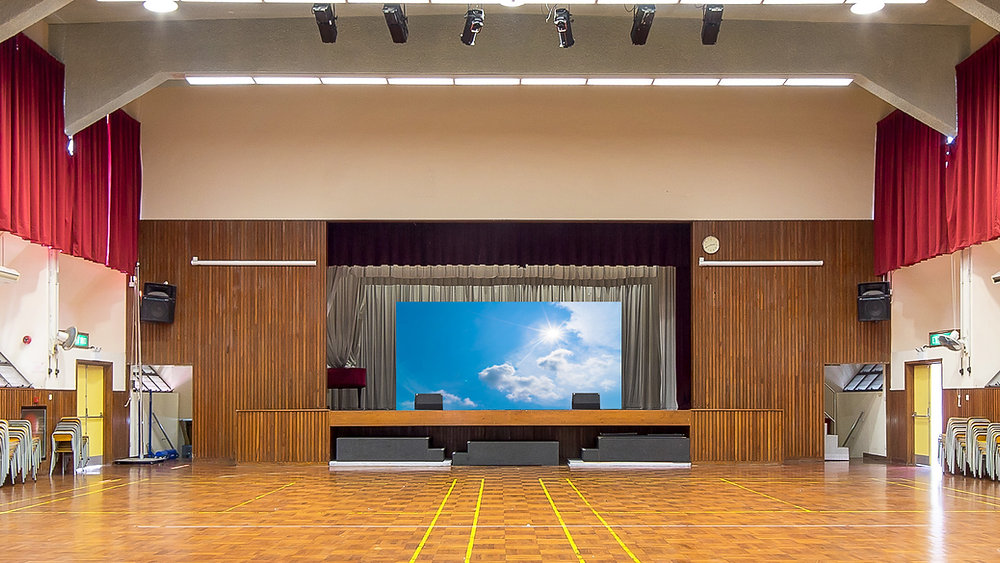
九、Digital Signage as a Long-Term School Asset
When planned properly, digital signage is not a short-term expense—it is a long-term asset that supports communication, safeguarding, engagement, and operational efficiency.
By budgeting with clear purpose, durability, and whole-school impact in mind, education settings can make informed decisions that continue to deliver value for years to come.
If your school or trust is considering digital signage as part of its new-year planning, working with an experienced, education-focused supplier can help clarify what is appropriate, achievable, and sustainable for your specific environment.
