

Investing in an LED display screen can significantly enhance brand visibility, customer engagement, and communication efficiency. From LED video walls in retail stores to outdoor LED displays for advertising, businesses across industries are adopting digital signage LED displays at a rapid pace.
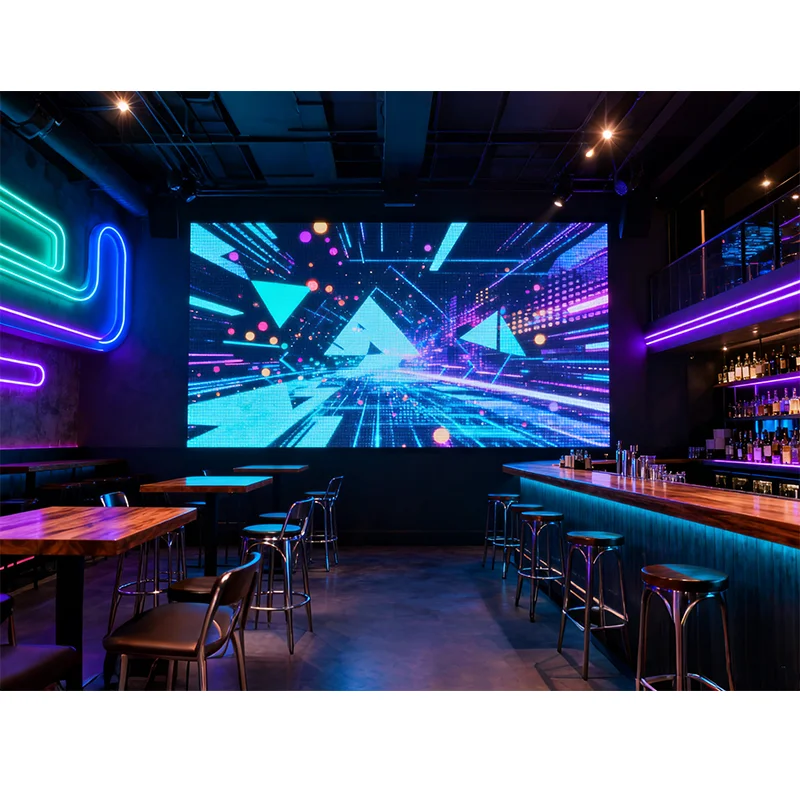
However, many buyers—especially first-time purchasers—make critical mistakes when selecting an LED display solution. These mistakes can lead to poor performance, unnecessary costs, and disappointing results.
In this guide, we’ll break down the most common mistakes businesses make when buying LED display screens, and how to avoid them.
1. Choosing the Wrong Pixel Pitch for the Application
One of the most frequent mistakes is selecting an incorrect pixel pitch LED display.
Pixel pitch determines the distance between LEDs and directly affects resolution and viewing quality.
Common issue:
- Choosing a large pixel pitch (e.g. P6 or P10) for close viewing environments
- Result: blurry images and poor visual experience
Best practice:
- P1.2–P2.5 LED display → indoor close viewing (retail, meeting rooms)
- P3–P5 LED display → mid-range viewing distance
- P6–P10 LED display → outdoor long-distance viewing
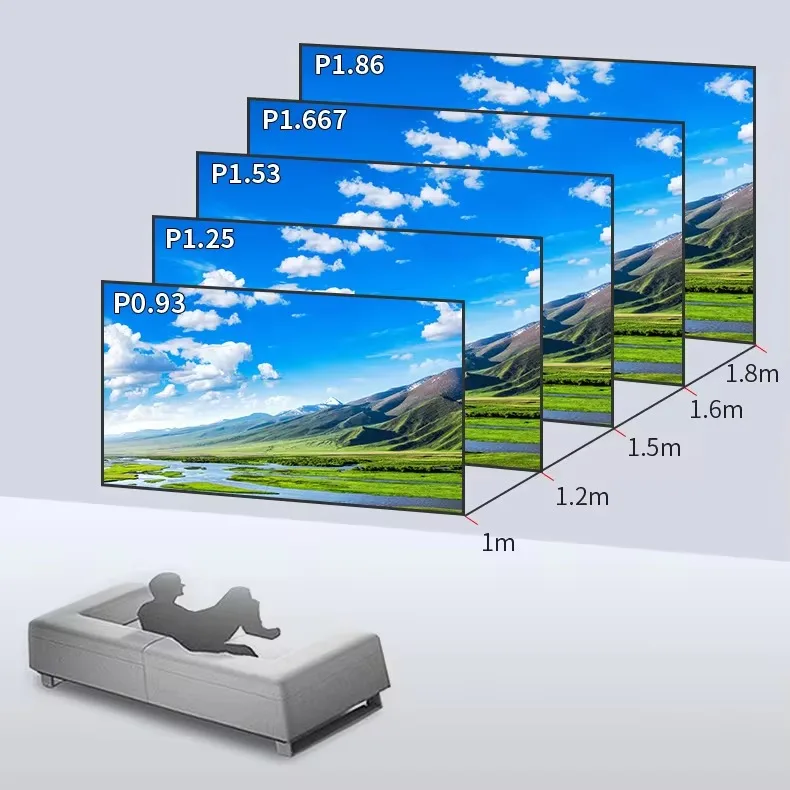
Selecting the right LED display pixel pitch ensures optimal image clarity and cost efficiency.
2. Ignoring Brightness Requirements
Not all LED display screens are created equal when it comes to brightness.
Common issue:
- Using low-brightness indoor LED screens in bright environments
- Result: washed-out visuals and poor visibility
Best practice:
- Indoor LED display: 800–1200 nits
- Outdoor LED display: 5000–10,000 nits
Always match brightness levels to the installation environment, especially for outdoor LED video walls or storefront displays.
3. Overlooking Installation Environment
Many buyers fail to consider environmental factors when choosing an LED display solution.
Common issue:
- Installing non-waterproof screens outdoors
- Ignoring humidity, temperature, or dust conditions
Best practice:
For outdoor projects, ensure:
- IP65 waterproof LED display modules
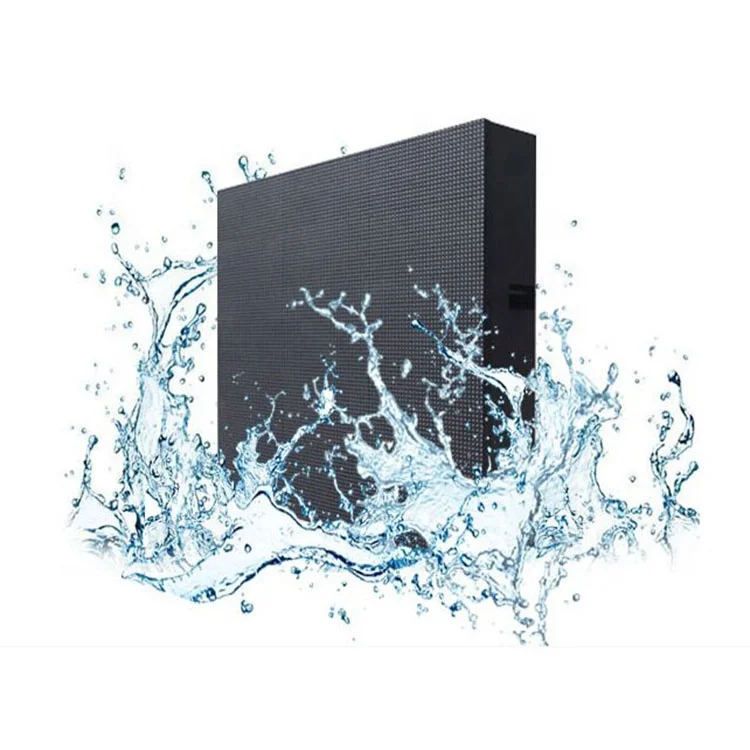
- Anti-UV protection
- Corrosion-resistant materials
For indoor environments:
- Focus on resolution and design rather than heavy protection
Choosing the right LED display cabinet for the environment is critical for long-term reliability.
4. Focusing Only on Price, Not Total Cost of Ownership
A low upfront price can be misleading when purchasing an LED display screen.
Common issue:
- Choosing the cheapest LED display supplier
- Ignoring maintenance, energy consumption, and lifespan
Best practice:
Consider the full lifecycle cost, including:
- Power consumption
- Maintenance frequency
- Replacement parts
- System stability
High-quality LED display panels often provide better ROI over time.
5. Neglecting Refresh Rate and Image Performance
For applications involving video, live broadcasting, or camera recording, refresh rate is crucial.
Common issue:
- Buying low refresh rate LED displays
- Result: flickering on camera, poor video quality
Best practice:
Choose:
- ≥1920Hz for basic applications
- ≥3840Hz high refresh rate LED display for professional use
This is especially important for LED stage displays, studios, and event screens.
6. Not Considering Maintenance Method
Different LED display screens have different maintenance structures.
Common issue:
- Installing rear-service LED displays in tight spaces
- Result: difficult and costly maintenance
Best practice:
- Use front maintenance LED display cabinets for wall-mounted installations
- Use rear-service for installations with enough access space
Understanding maintenance design helps reduce long-term service costs.
7. Choosing the Wrong LED Display Type
The LED display market offers a wide variety of products:
- Indoor LED displays
- Outdoor LED displays
- Rental LED displays
- LED poster displays
- Flexible LED screens
- Transparent LED displays
Common issue:
- Choosing a product that doesn’t match the use case
Best practice:
Define your application clearly:
- Advertising → outdoor LED billboard
- Retail → LED poster display or video wall
- Events → rental LED display
- Creative installations → flexible or curved LED display
8. Ignoring Content and Control System Compatibility
An LED display screen is only as good as the content it displays.
Common issue:
- Choosing incompatible control systems
- Limited content playback options
Best practice:
Ensure your LED display system supports:
- Multiple input sources (HDMI, DVI, etc.)
- Real-time content updates
- Cloud-based control (for digital signage)
A good content system maximizes the value of your LED digital signage display.
9. Underestimating Installation and Structural Requirements
Installing a large LED video wall requires proper planning.
Common issue:
- Ignoring structural support and installation complexity
Best practice:
Consider:
- Mounting structure (wall-mounted, hanging, floor-standing)
- Power supply requirements
- Heat dissipation
- Cable management
Working with an experienced LED display manufacturer or integrator is highly recommended.
10. Not Planning for Future Expansion
Many businesses purchase LED display screens based only on current needs.
Common issue:
- System cannot be expanded later
- Limited scalability
Best practice:
Choose modular LED display cabinets that allow:
- Screen size expansion
- System upgrades
- Integration with other LED display solutions
Conclusion
Buying an LED display screen is a significant investment, and avoiding common mistakes can save businesses time, money, and frustration.
From selecting the right pixel pitch LED display to ensuring proper installation and system compatibility, every detail matters. By understanding these common pitfalls, businesses can make smarter decisions and maximize the value of their LED display solutions.
