

LED displays have become an essential part of modern visual communication, from control rooms and conference centers to commercial showrooms and entertainment venues. However, choosing the right type of LED display is critical for installation efficiency, maintenance, and long-term performance.
In this article, we compare Hardwired LED displays and Traditional Wired LED displays, highlighting their differences, advantages, and best-use scenarios.
一、What Is a Hardwired LED Display?
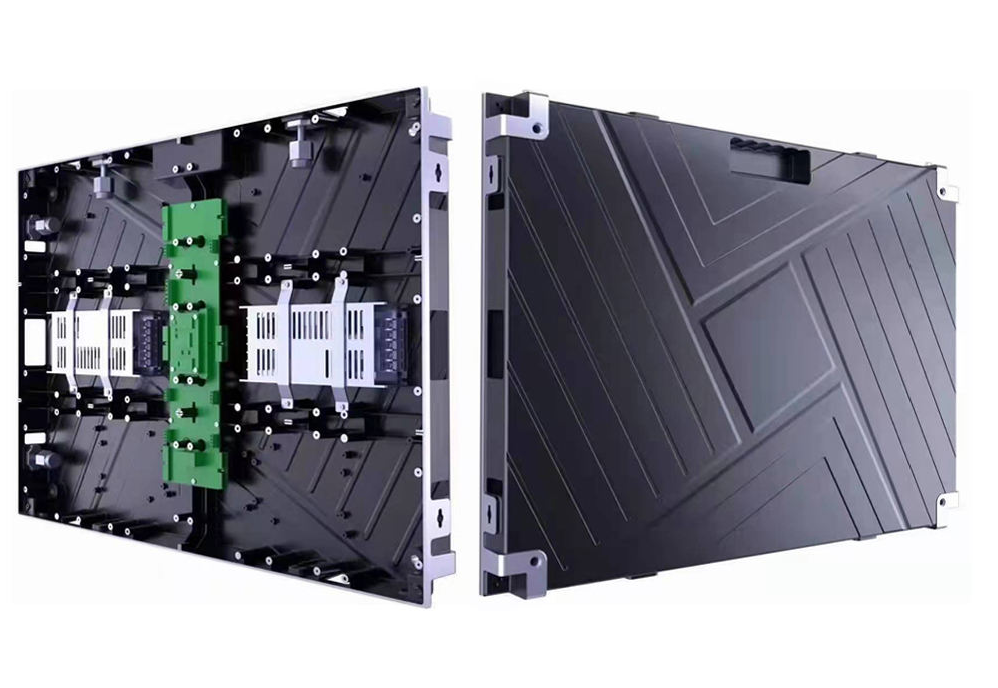
A Hardwired LED display refers to a cabinet design where power and signal connections are integrated within the cabinet structure.
Key features include:
- Internal connectors replace external cables
- Plug-and-play cabinet-to-cabinet connection
- Minimal exposed wiring, clean installation
- Faster installation and simplified maintenance
Hardwired does not mean wireless. It simply refers to integrated, structured internal wiring, eliminating messy cable bundles.
二、What Is a Traditional Wired LED Display?
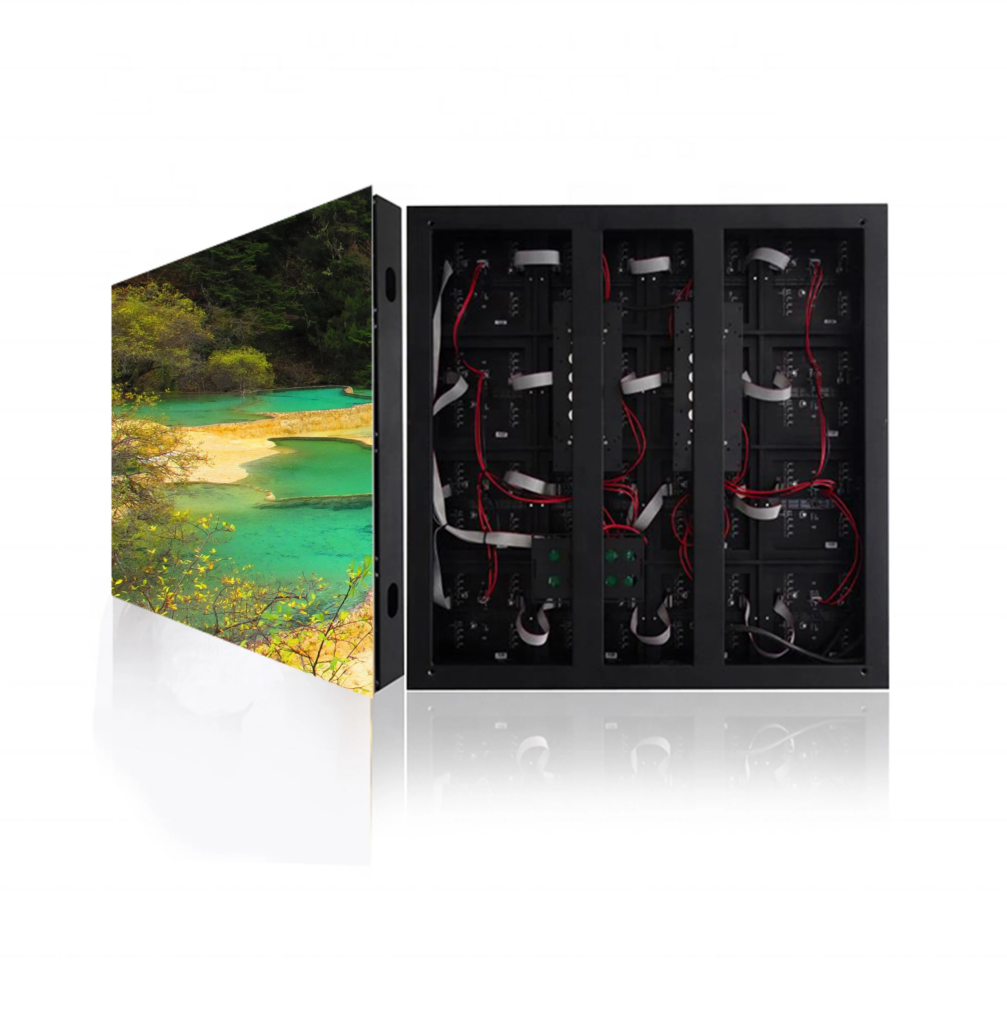
A Traditional Wired LED display uses:
- External ribbon cables, power cords, and signal wires connecting each module and cabinet
- Manual cable management and labeling
- Separate power and signal connections for each component
While widely used in past projects, traditional wired displays can be time-consuming to install and maintain, especially for fine-pitch or large-scale LED walls.
三、Hardwired vs Traditional Wired: Head-to-Head Comparison
| Feature | Hardwired LED Display | Traditional Wired LED Display |
|---|---|---|
| Cable management | Integrated, minimal cables | Multiple exposed cables |
| Installation speed | Fast, plug-and-play | Slower, manual wiring required |
| Maintenance | Easier, fewer failure points | Harder, more prone to connector issues |
| Visual cleanliness | High | Medium to low |
| Reliability | High for continuous operation | Moderate, risk of loose cables |
| Best pixel pitch | P0.9–P2.5 | P2.5 and above |
| Recommended for | Command centers, control rooms, fine-pitch indoor LED walls | Standard indoor/outdoor LED walls, large-scale commercial screens |
四、Advantages of Hardwired LED Displays
- Faster Installation
Hardwired LED cabinets connect directly via internal connectors, reducing installation time significantly. - Clean Appearance
Minimal exposed wiring creates a professional and tidy visual look, ideal for corporate lobbies, showrooms, and broadcast studios. - Higher Reliability
Fewer cable connections reduce the risk of failure, making hardwired displays suitable for 24/7 operations in control rooms or data centers. - Simplified Maintenance
Modules can be replaced easily without unplugging multiple wires, lowering downtime and labor costs. - Better for Fine-Pitch LED
Hardwired designs ensure precise connections, crucial for small pixel pitch LED screens used in indoor high-resolution applications.
五、Advantages of Traditional Wired LED Displays
- Lower Upfront Cost
Traditional wired cabinets are generally less expensive to produce. - Flexible Module Replacement
Modules can be swapped individually, though with more cable management required. - Suitable for Outdoor and Large-Scale Projects
Traditional wiring works well for P2.5 and above, large outdoor or stadium LED walls.
However, traditional wired systems require more installation time, cable management, and technical expertise.
六、Recommended Scenarios
When to Choose Hardwired LED Displays
- Command & control centers – 24/7 operation requires high reliability
- Fine-pitch indoor walls – P0.9 to P2.5 for close viewing
- Broadcast studios & corporate lobbies – clean appearance and professional integration
- High-maintenance environments – easy module replacement and minimal downtime
When to Choose Traditional Wired LED Displays
- Large outdoor screens – P2.5 and above for stadiums, plazas
- Temporary event rentals – lower upfront cost and flexible replacement
- Low-density installation areas – fewer modules, minimal need for plug-and-play efficiency
七、Conclusion
Choosing between Hardwired and Traditional Wired LED displays comes down to your project requirements, budget, and installation complexity.
- Hardwired LED displays: Ideal for fine-pitch, indoor, high-reliability, and high-maintenance projects.
- Traditional wired LED displays: Suitable for larger pixel pitches, outdoor projects, or cost-sensitive installations.
By understanding the differences, you can select the solution that maximizes visual impact, reliability, and operational efficiency.
