

In today’s fast-moving advertising world, LED displays have become the leading solution for modern brands. Whether installed inside a retail store or mounted on the exterior of a building, LED screens deliver brighter visuals, stronger impact, and far more flexibility than traditional printed signage. However, indoor LED displays and outdoor LED screens are designed with different functions, technologies, and performance standards. Understanding these differences is essential for choosing the right screen for your advertising and branding strategy in 2025.
一、Why LED Displays Dominate Modern Advertising
LED displays have become the mainstream tool for advertising and brand display by 2025. From retail stores to shopping malls, hotels, outdoor billboards, and corporate showrooms, various scenarios rely on LED displays to enhance visibility and brand influence. To stand out in a highly competitive market, understanding the differences between indoor and outdoor LED displays is the first step in developing an effective advertising strategy.
二、What Makes Indoor LED Displays Ideal for Close-Range Viewing
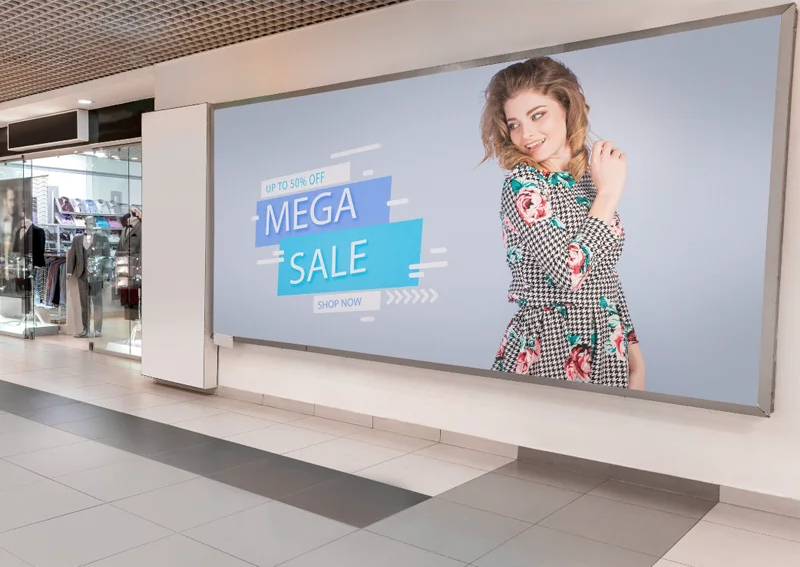
Indoor LED displays focus on detail and visual precision, typically using smaller pixel pitches such as P1.2, P1.5, P1.8, or P2.5, ensuring the image remains high-definition, sharp, and color-consistent even at close range. These LED video walls are widely used in retail stores, hotel lobbies, conference rooms, showrooms, shopping malls, and corporate halls, providing an immersive visual experience. They offer moderate brightness, rich image detail, and a slim profile, seamlessly integrating into indoor environments.
三、Why Outdoor LED Displays Are Built for Strength, Brightness, and Distance
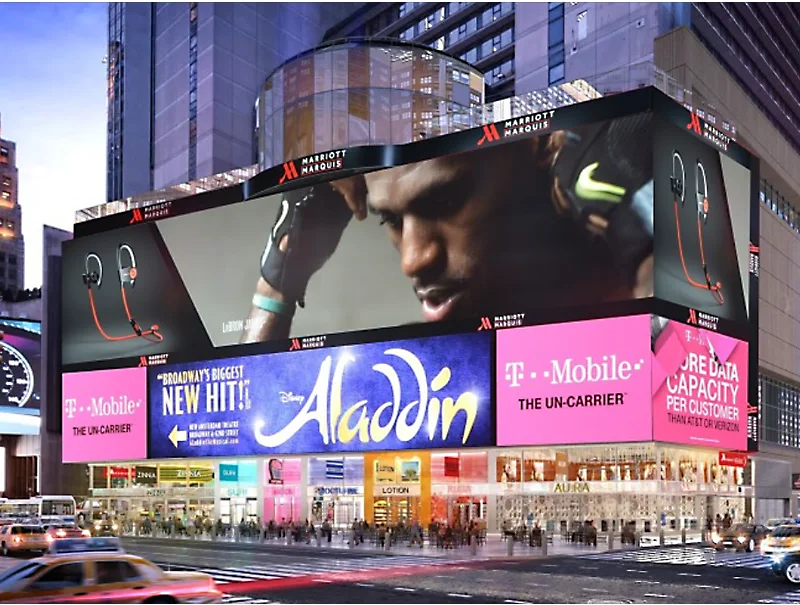
The core advantages of outdoor LED screens lie in their ultra-high brightness, waterproof and weather-resistant properties, and long-distance visibility. Brightness typically needs to reach 5,000–10,000 nits to ensure clear visibility even in strong sunlight. Pixel pitch is generally P4, P6, P8, or P10, making them more suitable for viewing from a distance. Meanwhile, outdoor LED advertising screens use waterproof and dustproof structures (IP65+), aluminum alloy or die-cast cabinets, and can withstand rain, snow, wind, dust, and temperature changes, making them ideal for outdoor billboards, stadiums, bus stops, building facades, and public squares.
四、Key Differences Between Indoor and Outdoor LED Screens
The most obvious differences between indoor and outdoor LED displays are: brightness, pixel pitch, weather protection, cabinet material, cost, and installation method. Indoor LED screens prioritize image quality and detail, while outdoor LED displays emphasize brightness and durability. Understanding these differences helps brands choose the right technology, avoiding over-investment or insufficient functionality.
五、How to Choose the Right LED Display for Your Advertising Goals
Choosing the right LED screen requires a comprehensive assessment of ambient light, viewing distance, installation space, content type, budget, and maintenance capabilities. For indoor settings, resolution and design integration are paramount; for outdoor settings, brightness, size, and protection ratings are key considerations. Content management systems (CMS), energy consumption, and sustainability are also crucial factors for brands in 2025.
六、Why LED Displays Matter More Than Ever in 2025
With the continued growth of digital advertising, accelerated online-offline integration, upgraded retail experiences, and the increasing prevalence of immersive technologies, LED displays have become a key tool for brands to enhance exposure, engagement, and memorability. Whether creating a sophisticated indoor atmosphere or winning visual competition on the outdoor street, LED video walls are a vital asset driving business success.
