

LED floor tiles—also known as LED ground screens or LED floor panels—have become a popular digital display solution in retail, events, exhibitions, stage designs, and interactive environments. They integrate LED modules into flat, durable panels that can be walked on and used as part of dance floors, show stages, storefronts, or experiential installations.
As demand increases, a range of floor tile options have emerged, each designed for specific applications and environments. This article explores the most common types of LED floor tile solutions available in the current market, their features, and typical use cases.
1. Standard LED Floor Tiles
Overview
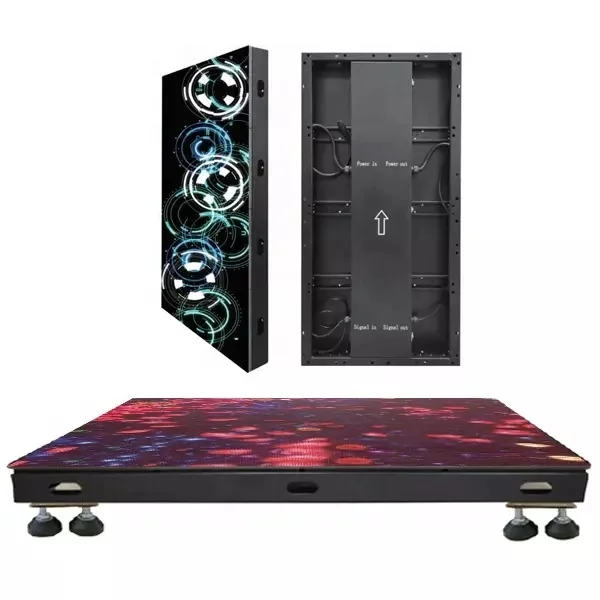
Standard LED floor tiles are the most widely used LED ground screen product. They are designed to be robust, easy to install, and suitable for regular foot traffic.
Key Features
- Flat, walkable LED panels
- Durable surface with anti-slip coating
- Typically lower pixel pitch options (e.g., P4–P10)
- Suitable for heavy usage environments
Common Uses
- Shopping mall floors
- Exhibition zones
- Interactive retail displays
- Public squares and lobbies
Standard LED floor tiles deliver bright and engaging visuals while maintaining safety and durability under foot traffic.
2. High-Brightness Outdoor LED Floor Tiles
Overview
Outdoor LED floor tile solutions are engineered for high brightness and weather resistance, allowing them to perform even under direct sunlight.
Key Features
- High brightness (3,000–6,000+ nits)
- Weatherproof cabinets (IP65+ rating)
- Anti-glare surface treatments
- Reinforced structure for outdoor foot traffic
Common Uses
- Outdoor plazas and open-air stages
- Festival walkways
- Outdoor experiential marketing zones
- Sports arenas and fan engagement areas
High-brightness floor tiles ensure vibrant visuals in outdoor environments where ambient lighting is intense.
3. Load-Bearing LED Floor Tiles
Overview
Load-bearing LED floor tiles are designed for environments with heavy foot traffic or additional weight loads, such as vehicles, stages with equipment, or crowd-heavy events.
Key Features
- Reinforced structural panels (often aluminum or steel framing)
- Enhanced load capacity (e.g., 1–5+ tons)
- Anti-slip surface textures
- Stable electrical connections between tiles
Common Uses
- Stage platforms with moving equipment
- Event entrances with heavy crowd flow
- Dance floors under dynamic loads
Load-bearing floor tiles combine visual performance with the strength needed for demanding installations.
4. Interactive LED Floor Tiles (Sensor-Enabled)
Overview
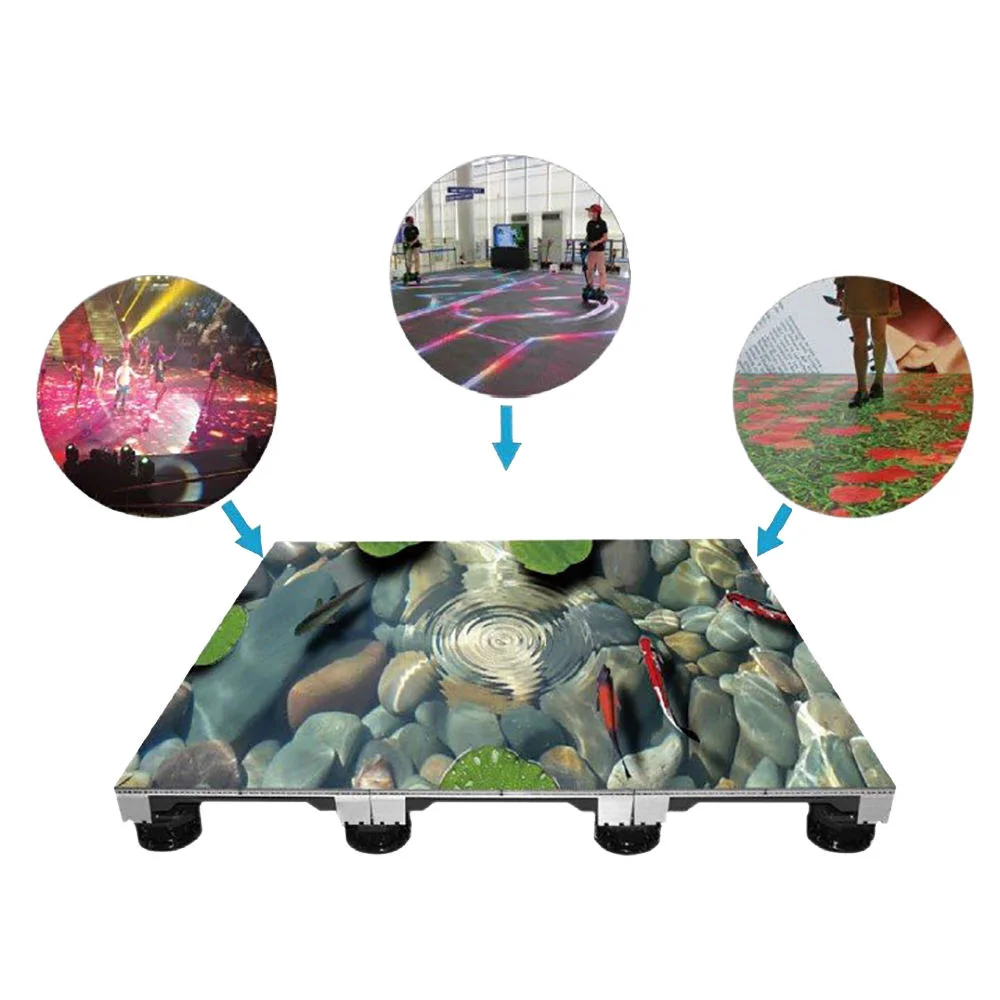
Interactive LED floor tiles integrate motion sensors or touch interactivity, allowing visuals to respond to movement or physical interaction.
Key Features
- Built-in pressure or motion sensors
- Dynamic visual response to footsteps or gestures
- Compatible with interactive software
- Suitable for gamified content
Common Uses
- Museum and experiential exhibits
- Children’s entertainment areas
- Interactive retail campaigns
- Trade show booths
Interactive LED floor tiles greatly enhance user engagement, encouraging visitors to explore and interact with the visuals.
5. Transparent or Semi-Transparent LED Floor Tiles
Overview
Transparent LED floor tiles use micro-LED or specialized transparent modules that allow light from underneath or surrounding elements to show through.
Key Features
- Partial transparency
- Minimal obstruction of ambient lighting
- High design flexibility
- Can integrate lighting or architectural elements
Common Uses
- Architectural installations
- High-end retail environments
- Showroom floor displays
Transparent LED floor tiles offer a futuristic aesthetic while maintaining dynamic visual capabilities.
6. Curved LED Floor Tiles
Overview
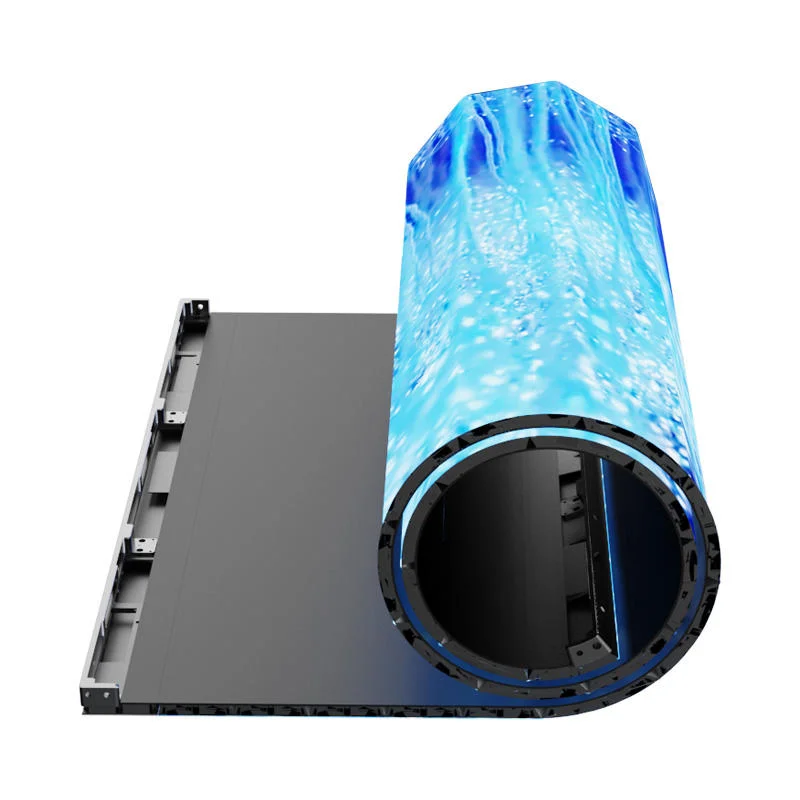
Curved LED floor tiles are engineered to form rounded or curved surfaces, enabling creative installations that deviate from flat floors.
Key Features
- Flexible or semi-flexible panels
- Customizable curvature
- Smooth visual continuity on curves
Common Uses
- Special stage designs
- Artistic installations
- Themed event floors
Curved floor tiles allow designers to build visually compelling environments with depth and flow.
7. Rental-Friendly LED Floor Tiles
Overview
Rental-grade LED floor tiles are designed for rapid assembly, disassembly, and repeated transport, making them ideal for rental companies and touring events.
Key Features
- Quick-lock mechanisms
- Lightweight yet durable construction
- Standardized module sizes
- Easy maintenance and replacement
Common Uses
- Touring concerts and festivals
- Corporate events
- Exhibition trade shows
Rental-friendly floor tiles balance durability with logistical convenience, reducing labor and setup costs.
How to Choose the Right LED Floor Tile Type
When selecting an LED floor tile solution, consider the following factors:
1. Viewing Distance
Lower pixel pitch (P4–P6) is common for close-up viewing environments, while larger pitches may suffice for distant viewing areas.
2. Ambient Lighting
Outdoor installations require higher brightness levels, often 3,000 nits or greater.
3. Load Requirements
Consider foot traffic volume and potential loads. Load-bearing tiles are essential for stages and heavily trafficked zones.
4. Interactivity Needs
Interactive tiles require additional sensors and software integration, ideal for immersive experiences.
5. Installation & Logistics
Portable or rental-friendly designs reduce setup time and labor costs, while permanent installations benefit from reinforced structure and weatherproofing.
Conclusion
LED floor tiles have rapidly evolved from simple novelty signage to core visual elements in modern architectural, retail, and entertainment environments. From standard indoor tiles to interactive sensor-enabled systems, and from outdoor high-brightness solutions to load-bearing and rental-friendly platforms, the LED floor tile market offers diverse solutions for different needs.
Choosing the right LED floor screen type not only enhances the visual experience but also ensures safety, durability, and flexibility—whether for a one-time event or a long-term installation.
