

When choosing an LED screen solution, many buyers are confused about the difference between indoor LED display and outdoor LED display. Although both technologies use LED modules to create digital images, they are designed for completely different environments.
The main difference is that indoor LED displays focus on image quality and close viewing performance, while outdoor LED displays focus on brightness, durability, and weather resistance.
Choosing the right LED display depends on several factors, including installation location, viewing distance, brightness requirements, and project budget.
一、What Is an Indoor LED Display?
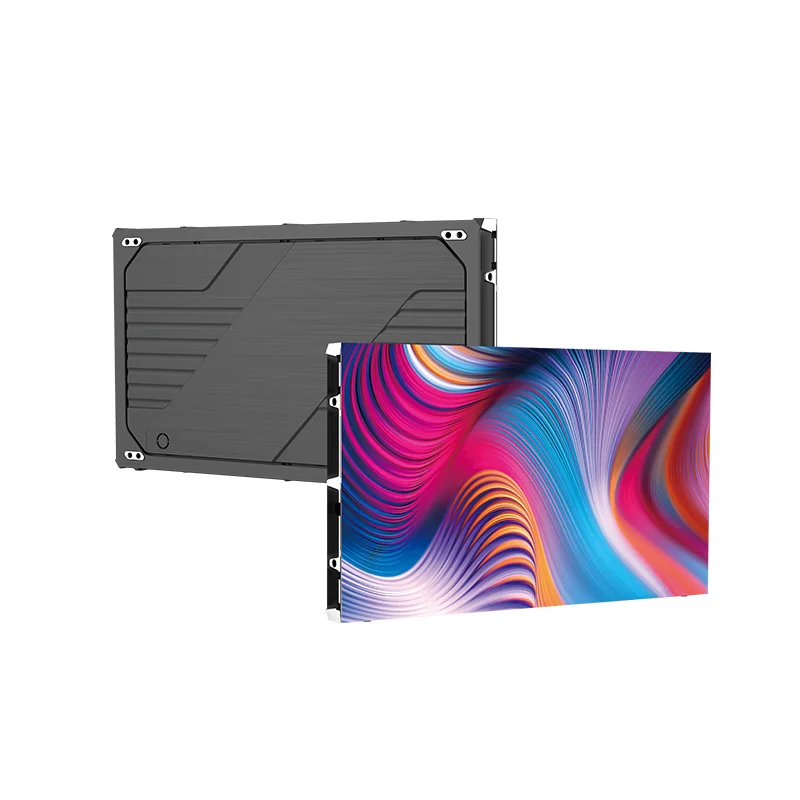
An indoor LED display is a digital display solution designed for controlled indoor environments such as conference rooms, retail stores, shopping malls, corporate showrooms, and control rooms.
Because indoor environments usually have stable lighting conditions, indoor LED screens do not need extremely high brightness or heavy waterproof protection. Instead, manufacturers focus more on resolution, color accuracy, and viewing comfort.
Modern indoor LED displays usually use fine pixel pitch technology, including P0.9, P1.2, P1.5, P1.8, and P2.5 LED screens.
They are commonly used for applications where audiences are relatively close to the screen.
Typical applications include:
- Conference room LED video walls for presentations and video meetings
- Retail store LED displays for advertising and brand communication
- Control room LED walls for monitoring and data visualization
- Corporate showroom LED screens for immersive experiences
二、What Is an Outdoor LED Display?
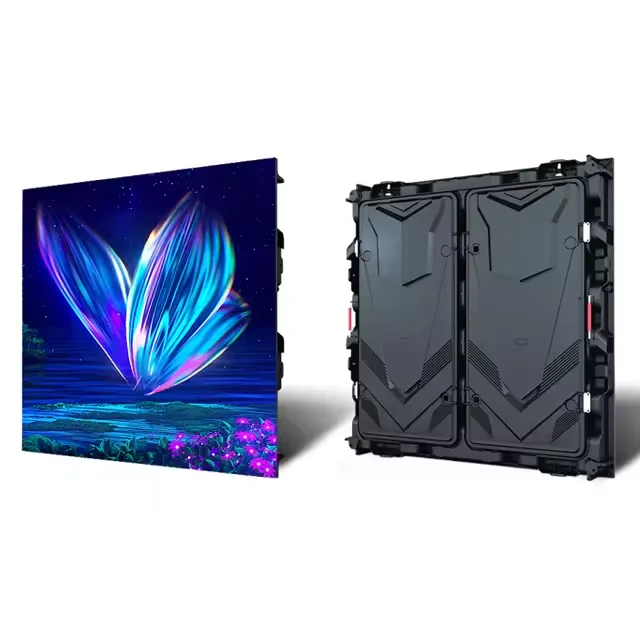
An outdoor LED display is designed to operate in challenging outdoor environments, including direct sunlight, rain, dust, and temperature changes.
Unlike indoor LED screens, outdoor LED displays require higher brightness levels and stronger protection systems to ensure stable operation.
A professional outdoor LED screen usually includes:
- High brightness LED chips to maintain visibility under sunlight
- Waterproof cabinet design with IP65 protection
- Strong heat dissipation system
- Weather-resistant materials
Outdoor LED displays are widely used in:
- Outdoor advertising billboards
- Stadium LED screens
- Building facade LED displays
- Transportation advertising screens
三、Indoor LED Display vs Outdoor LED Display: Key Differences
The biggest difference between indoor and outdoor LED screens is the environment they are designed for.
1)Brightness Requirements
Indoor LED displays usually require around 800–1500 nits because they operate in controlled lighting environments.
A screen that is too bright indoors may cause eye discomfort and unnecessary energy consumption.
Outdoor LED displays need much higher brightness, usually 5000–8000 nits, because sunlight can significantly reduce screen visibility.
For outdoor advertising, brightness is one of the most important factors affecting image performance.
2)Pixel Pitch Selection
Pixel pitch determines the distance between LED pixels and directly affects image clarity.
For indoor LED displays, viewers are usually closer, so smaller pixel pitches are preferred.
Common indoor choices include:
- P0.9–P1.2 for control rooms and premium conference rooms
- P1.5–P2.5 for retail stores and commercial displays
Outdoor LED screens are normally viewed from farther distances, so larger pixel pitches are more common.
Popular outdoor choices include:
- P3–P5 for commercial advertising
- P6–P10 for billboards and stadium applications
Choosing the correct pixel pitch based on viewing distance can significantly reduce unnecessary costs.
四、Which LED Display Is Better for Different Applications?
1)LED Display for Retail Store
Retail stores usually require attractive visual effects and high image quality.
Indoor retail LED displays are often used for:
- Brand walls
- Product advertising
- Digital storefront displays
Fine pitch LED displays and transparent LED displays are becoming popular because they create premium shopping experiences.
2)LED Display for Conference Room
Conference rooms require:
- Clear text display
- High resolution
- Comfortable close viewing
COB LED displays are increasingly used in high-end conference rooms because they provide:
- Better surface protection
- Fine pixel pitch capability
- Excellent image quality
3)Outdoor Advertising LED Screen
Outdoor advertising requires:
- High brightness
- Waterproof protection
- Long operating lifespan
Common solutions include:
- P5 outdoor LED display
- P6 outdoor LED display
- P8 outdoor LED display
五、Indoor LED Display vs Outdoor LED Display: Cost Difference
The cost of an LED display depends on more than screen size.
Main factors include:
- Pixel pitch
- LED packaging technology
- Brightness
- Cabinet design
- Installation requirements
Indoor fine pitch LED displays may have higher prices because they require more LED chips per square meter.
Outdoor LED displays also require additional costs because of:
- Waterproof design
- High brightness components
- Weather-resistant cabinets
The best solution is not always the cheapest one. Buyers should consider total cost of ownership, including maintenance, lifespan, and energy consumption.
六、Can Indoor LED Displays Be Used Outdoors?
Generally, indoor LED displays should not be installed outdoors.
The main reasons are:
- Insufficient brightness under sunlight
- Lack of waterproof protection
- Poor resistance to temperature changes
Using an indoor LED screen outdoors may lead to:
- Image visibility problems
- Shorter lifespan
- Higher maintenance costs
七、Can Outdoor LED Displays Be Used Indoors?
Technically yes, but it is usually not recommended.
Outdoor LED screens may create several problems indoors:
- Excessive brightness
- Higher energy consumption
- Higher purchase cost
- Lower close-view image quality
For indoor applications, choosing a dedicated indoor LED display is usually more suitable.
八、Future Trend of LED Display Technology
The LED display industry is moving toward higher resolution, better efficiency, and smarter display solutions.
Indoor LED display trends include:
- COB LED technology
- Fine pixel pitch LED
- Mini LED
- Micro LED
Outdoor LED display trends include:
- Energy-saving LED screens
- Smart advertising displays
- Creative LED structures
- 3D outdoor LED billboards
As LED technology continues developing, both indoor and outdoor LED displays will play important roles in commercial advertising, entertainment, retail, and corporate applications.
九、Conclusion: Choosing the Right LED Display Solution
The difference between indoor LED display vs outdoor LED display mainly comes down to application environment.
Indoor LED displays are designed for:
- High resolution
- Close viewing
- Premium visual experiences
Outdoor LED displays are designed for:
- High brightness
- Weather resistance
- Long-distance viewing
Before purchasing an LED screen, businesses should carefully evaluate:
- Where the screen will be installed
- How far viewers are from the display
- What content will be shown
- Required lifespan and maintenance
Choosing the right LED display solution will help achieve better image quality, lower operating costs, and higher long-term value.
