

The future of LED display technology is moving toward higher resolution, lower power consumption, smarter control systems, and more flexible applications. As businesses demand better visual experiences, LED displays are evolving from traditional advertising screens into intelligent digital platforms used in commercial spaces, control rooms, virtual production, smart cities, and immersive environments.
Technologies such as COB LED, Mini LED, Micro LED, transparent LED display, flexible LED screen, and AI-powered LED solutions are becoming key development directions for the next generation of display technology.
This guide explores the major trends shaping the future of LED display technology and how they will influence the global LED display market.
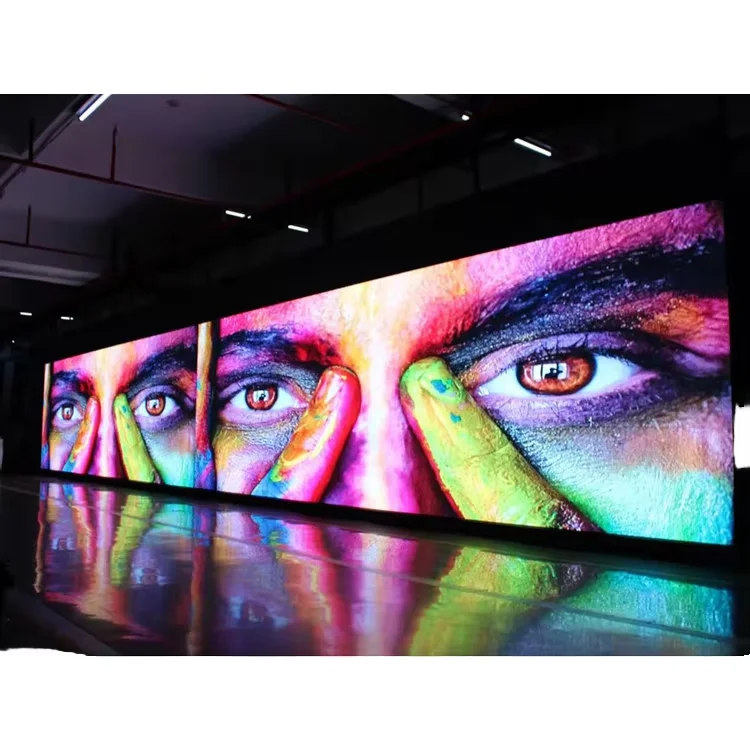
一、The Evolution of LED Display Technology
LED display technology has developed rapidly over the past decades.
The evolution can be summarized as:
Traditional LED Display
↓
Fine Pitch LED Display
↓
COB LED Display
↓
Mini LED Display
↓
Micro LED Display
↓
Intelligent and Flexible LED Display
Each generation improves:
- Pixel density
- Image quality
- Reliability
- Energy efficiency
- Application flexibility
Modern LED displays are no longer limited to simple advertising. They are becoming advanced visual communication systems.
Trend 1: Fine Pitch LED Display Will Continue Growing
One of the most important trends in the LED industry is the growth of fine pitch LED displays.
Fine pitch LED refers to LED screens with smaller pixel pitches, usually:
- P0.9
- P1.2
- P1.5
- P1.8
Smaller pixel pitch provides:
- Higher resolution
- Better image details
- Clearer text
- Better close-view experience
Demand is increasing in:
- Conference rooms
- Control centers
- Command rooms
- Broadcast studios
- Corporate showrooms
As manufacturing technology improves, fine pitch LED displays will become more affordable and enter more commercial markets.
Trend 2: COB LED Technology Will Become More Popular
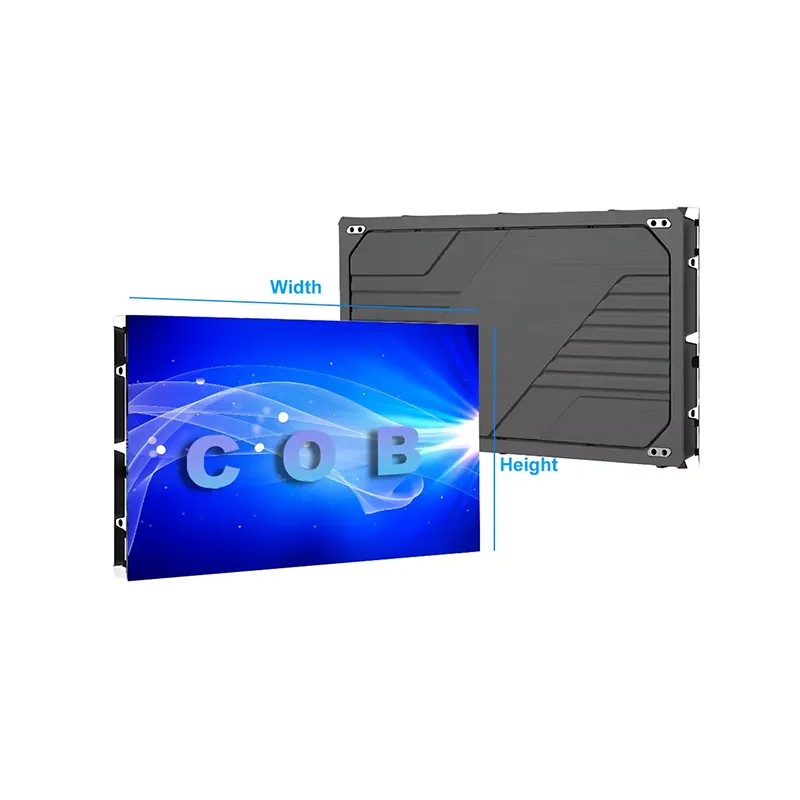
COB LED (Chip on Board LED) is one of the most important technologies driving the future of indoor LED displays.
Unlike traditional SMD LED displays, COB directly mounts LED chips onto the PCB board and protects them with encapsulation.
This provides:
- Better reliability
- Higher protection
- Improved heat dissipation
- Better black level performance
- Reduced pixel damage
COB LED is especially suitable for:
- Conference room LED displays
- Control room LED walls
- High-end commercial displays
- All-in-one LED displays
Industry trends show that COB production capacity is expanding and costs are gradually decreasing, helping COB move from premium applications toward wider commercial adoption.
Trend 3: Mini LED Will Expand in Premium Display Markets
Mini LED technology uses smaller LED chips to achieve higher brightness and better contrast.
Mini LED advantages:
- High brightness
- Improved HDR performance
- Better contrast control
- Longer lifespan compared with OLED
Mini LED applications include:
- Premium televisions
- Gaming monitors
- Professional displays
- Large-format commercial displays
Mini LED is considered an important transition technology between traditional LED and Micro LED.
Trend 4: Micro LED Will Become the Long-Term Future
Among next-generation display technologies, Micro LED is considered one of the most promising directions.
Micro LED uses microscopic self-emitting LED chips.
Advantages include:
- Extremely high brightness
- Excellent contrast
- Long lifespan
- Low power consumption
- Fast response time
- Flexible and transparent possibilities
Potential applications:
- Premium LED video walls
- Transparent displays
- AR/VR devices
- Automotive displays
- Future smart surfaces
However, Micro LED still faces challenges:
- High manufacturing cost
- Mass transfer technology
- Production yield improvement
Research continues to focus on solving these manufacturing challenges.
Trend 5: Transparent LED Display Will Transform Commercial Spaces
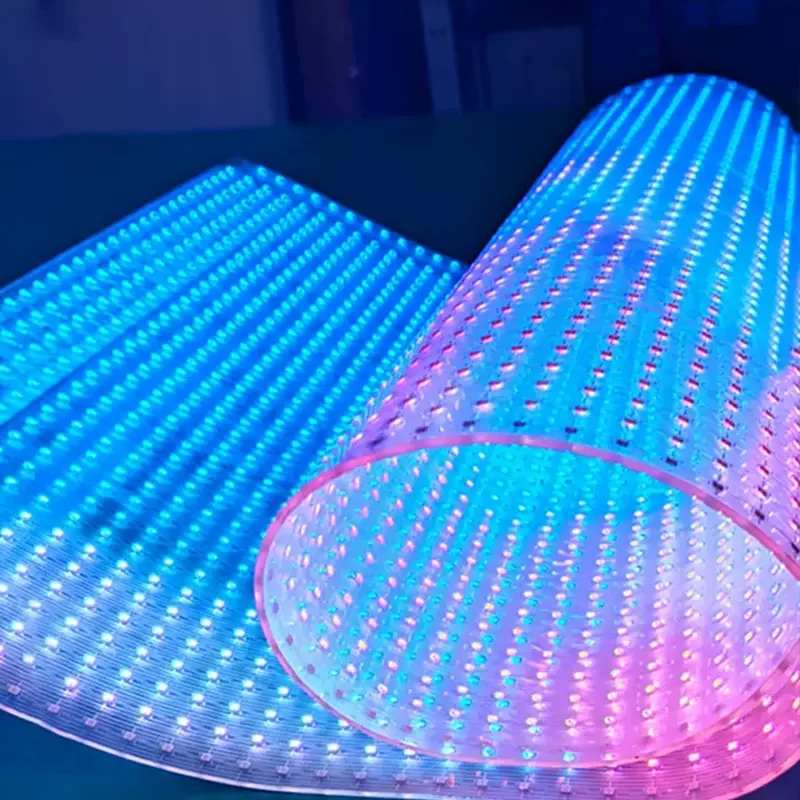
Transparent LED technology is creating new possibilities for architecture and retail.
Unlike traditional LED screens, transparent LED displays allow light and visibility to pass through.
Applications:
- Shopping mall glass walls
- Retail storefronts
- Airport advertising
- Building facades
Future transparent LED displays will become:
- Thinner
- Lighter
- More transparent
- More energy efficient
They will help integrate digital displays with modern architecture.
Trend 6: Flexible LED Display Will Create New Possibilities
Flexible LED displays allow screens to be installed on curved or irregular surfaces.
Applications:
- Creative advertising
- Stage design
- Theme parks
- Museums
- Architectural decoration
Future flexible LED screens may include:
- Curved LED walls
- Cylindrical LED displays
- Foldable LED displays
- Wearable LED technology
This will expand LED applications beyond traditional flat screens.
Trend 7: LED Displays Will Become More Intelligent
The future of LED displays is not only about hardware.
AI and intelligent systems will improve:
Smart Content Management
AI can analyze:
- Audience behavior
- Location traffic
- Advertising performance
and automatically optimize displayed content.
Remote Monitoring
Smart LED systems can monitor:
- Temperature
- Brightness
- Power consumption
- Module status
This reduces maintenance costs.
Automatic Energy Optimization
AI-controlled brightness adjustment can reduce:
- Electricity consumption
- Heat generation
- Operating costs
Trend 8: Energy-Efficient LED Display Technology
Energy saving is becoming increasingly important worldwide.
Future LED displays will focus on:
- Low-power LED chips
- Efficient driver ICs
- Smart brightness adjustment
- Better heat management
Energy-efficient LED solutions help businesses reduce:
- Electricity costs
- Carbon emissions
- Long-term operating expenses
Trend 9: Virtual Production Will Drive LED Growth
LED displays are becoming essential in film production and immersive content creation.
Virtual production uses large LED walls instead of traditional green screens.
Advantages:
- Real-time backgrounds
- More realistic lighting
- Faster production workflow
Applications:
- Movies
- TV production
- Advertising videos
- Gaming content
High-resolution LED displays with high refresh rates are becoming critical for this market.
Trend 10: AI + LED Display Will Create New Business Models
Future LED displays will become interactive platforms.
Examples:
Retail
- Personalized advertising
- Customer interaction
- Smart product recommendation
Smart Cities
- Public information systems
- Traffic management
- Emergency communication
Entertainment
- Immersive experiences
- Interactive installations
LED displays will evolve from “screens” into intelligent digital environments.
二、Future LED Display Technology Roadmap
Short Term (2026–2028)
Main trends:
- COB LED adoption increases
- Fine pitch LED becomes more affordable
- Mini LED expands into professional applications
- Smart LED management systems grow
Medium Term (2028–2030)
Expected developments:
- More Mini COB LED products
- Wider Micro LED commercialization
- More transparent and flexible displays
- Lower manufacturing costs
Long Term (2030+)
Future possibilities:
- Full Micro LED adoption
- Flexible intelligent displays
- Transparent digital architecture
- AI-powered immersive environments
三、COB LED vs Mini LED vs Micro LED Future Position
| Technology | Future Role | Main Applications |
|---|---|---|
| COB LED | Commercial fine pitch LED solution | Conference rooms, control rooms, LED walls |
| Mini LED | Premium display technology | TVs, monitors, professional displays |
| Micro LED | Next-generation display technology | Premium video walls, AR/VR, smart surfaces |
四、Frequently Asked Questions
Q1:What is the future of LED display technology?
The future of LED displays will focus on:
- Smaller pixel pitch
- Higher resolution
- Lower power consumption
- AI integration
- Flexible and transparent designs
Q2:Will COB LED replace SMD LED?
COB LED is expected to replace more SMD applications in fine pitch LED markets, but SMD will remain important for outdoor and cost-sensitive projects.
Q3:Is Micro LED the future of LED displays?
Micro LED has significant potential because of its brightness, durability, and efficiency, but manufacturing costs must continue to decrease before mass adoption.
Q4:What is the next generation of LED display?
The next generation includes:
- COB LED
- Mini LED
- Micro LED
- Flexible LED
- Transparent LED
五、Final Thoughts
The future of LED display technology is moving toward smarter, thinner, brighter, and more efficient display solutions.
The market direction is clear:
- COB LED will accelerate fine pitch commercial displays.
- Mini LED will continue growing in premium display markets.
- Micro LED represents the long-term future of next-generation displays.
For businesses investing in LED technology, understanding these trends helps choose solutions that provide better performance, lower operating costs, and stronger long-term value.
