

Choosing the right LED display supplier is one of the most important decisions when investing in an LED screen project. The LED display itself may look similar across different suppliers, but differences in manufacturing capability, component quality, engineering support, and after-sales service can greatly affect the final result.
A low-price supplier may save money initially but create higher costs later through:
- Frequent maintenance
- Poor image consistency
- Shorter lifespan
- Delayed technical support
- Difficult spare parts replacement
A reliable LED display manufacturer should not only provide products but also offer a complete solution, including technical consultation, customization, installation guidance, and long-term support.
This guide explains how to choose LED display supplier, what questions to ask, and how to identify a professional LED screen manufacturer.
一、Why Choosing the Right LED Display Supplier Matters
An LED display is a long-term investment. Many commercial LED screens are expected to operate for years in demanding environments.
The supplier you choose directly affects:
- Product quality
- Project success
- Installation efficiency
- Maintenance cost
- Long-term reliability
A professional supplier should understand your application before recommending a product.
For example:
A conference room requires:
- Fine pixel pitch
- High resolution
- Comfortable viewing
A stadium requires:
- High brightness
- High refresh rate
- Impact protection
An outdoor billboard requires:
- Waterproof design
- Weather resistance
- Long operating lifespan
The best LED supplier does not simply sell a screen — they provide the correct LED display solution.
1. Check Whether the Supplier Is a Real LED Display Manufacturer
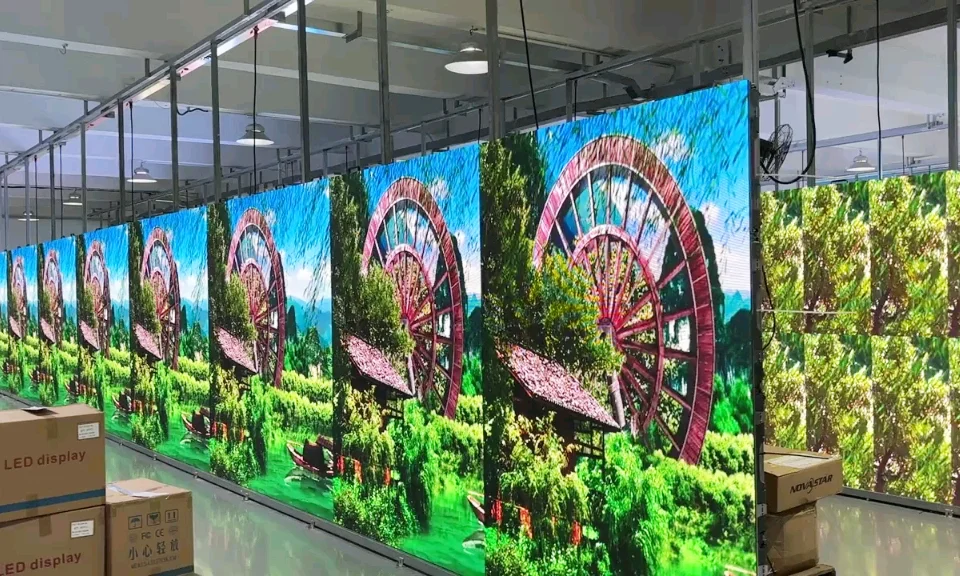
One of the first questions buyers should ask:
“Are you a manufacturer or a trading company?”
A direct LED display manufacturer usually has:
- Production facilities
- R&D capability
- Quality control systems
- Engineering teams
- Customization ability
A trading company may offer many products but usually has less control over:
- Production quality
- Delivery schedule
- Technical support
How to Verify an LED Display Manufacturer
Check:
Factory Information
Look for:
- Factory photos
- Production line videos
- SMT production equipment
- Aging test rooms
- Quality inspection areas
A real manufacturer should be able to explain:
- How LED modules are produced
- How cabinets are assembled
- How products are tested before shipment
Manufacturing capability, production process, and quality control are key factors when evaluating LED suppliers.
2. Evaluate LED Display Supplier Experience
Experience matters because LED displays involve many technical details.
A professional supplier should understand:
- LED packaging technology
- Pixel pitch selection
- Cabinet structure
- Heat dissipation
- Control systems
- Installation requirements
Important questions:
How many years have you been producing LED displays?
What industries have you served?
Examples:
- Retail stores
- Sports stadiums
- Conference rooms
- Control centers
- Advertising companies
Can you provide previous project references?
Real installation cases are stronger evidence than marketing claims.
3. Check Product Quality and Components
Different LED displays may look similar, but internal components determine performance.
Important components include:
LED Chip Brand
Ask:
- Which LED chip brand do you use?
- What is the LED bin grade?
Better LED chips provide:
- Better brightness consistency
- Better color uniformity
- Longer lifespan
Driver IC
Driver IC affects:
- Refresh rate
- Grayscale performance
- Image stability
For professional applications, ask suppliers about:
- Driver IC model
- Refresh rate performance
- Camera shooting results
Power Supply
A reliable LED display supplier should clearly specify:
- Power supply brand
- Power efficiency
- Safety protection
Poor-quality power supplies can cause:
- Screen instability
- Higher failure rates
4. Choose the Right LED Display Technology
A professional supplier should recommend technology based on your application.
SMD LED Display
Suitable for:
- Outdoor advertising
- Commercial displays
- Cost-effective projects
Advantages:
- Mature technology
- Competitive price
- Wide application range
COB LED Display
Suitable for:
- Conference rooms
- Control rooms
- Premium indoor LED walls
Advantages:
- Better protection
- Fine pixel pitch
- Higher reliability
Mini LED / Micro LED
Future-oriented technologies for:
- Premium displays
- Virtual production
- Advanced visualization
A good supplier should explain technology differences instead of only selling the most expensive product.
5. Compare More Than Price
Many buyers make the mistake of choosing the cheapest LED supplier.
However, the lowest price often means:
- Lower-grade components
- Less testing
- Limited warranty
- Poor service
Instead, compare:
Product Value
Including:
- Pixel pitch
- Brightness
- Refresh rate
- Lifespan
- Energy consumption
Service Value
Including:
- Technical support
- Spare parts availability
- Warranty policy
- Response time
The cheapest LED screen is not always the lowest-cost solution over its lifetime.
6. Check Quality Control Process
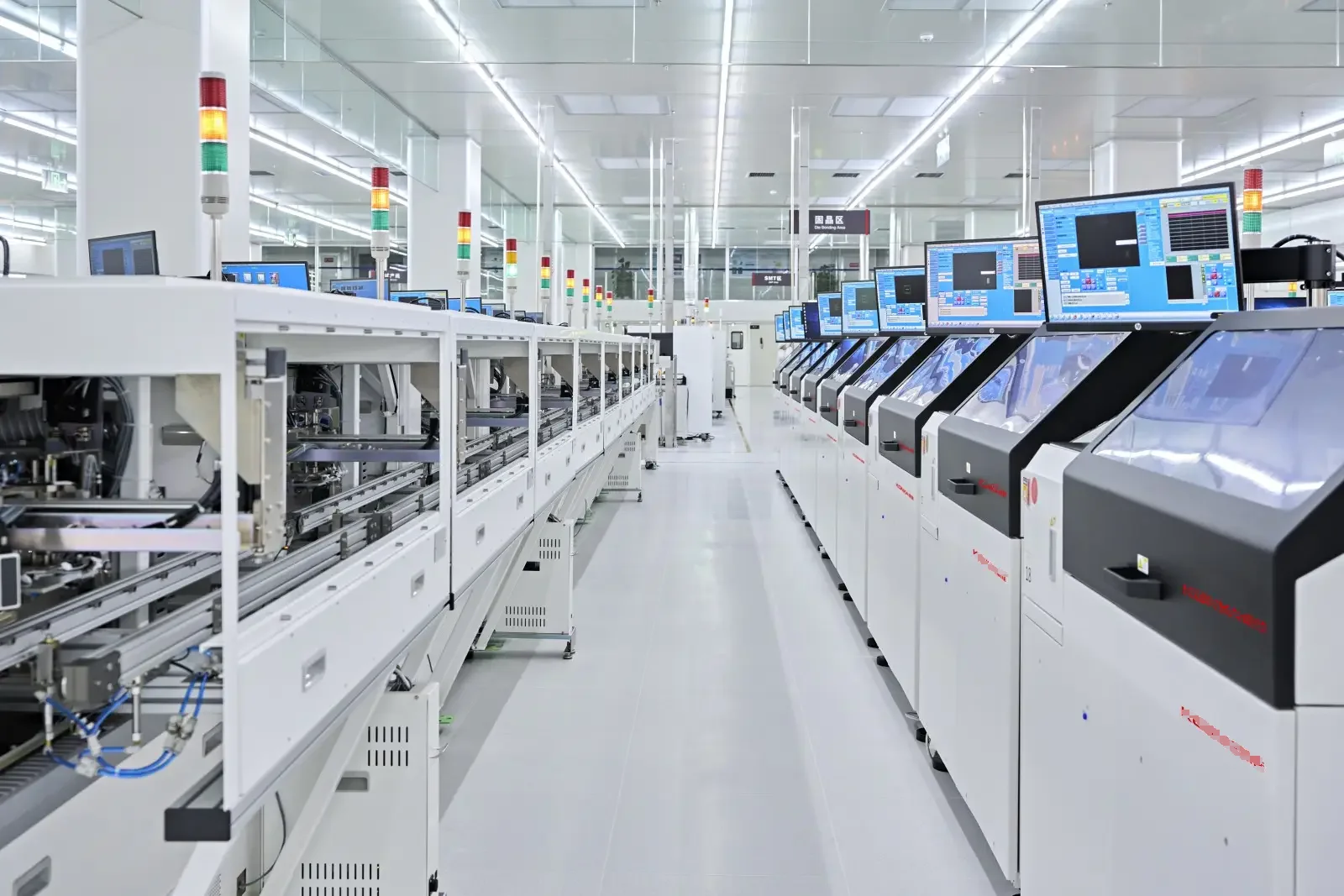
A professional LED manufacturer should have strict QC procedures.
Important tests include:
Aging Test
Checks:
- Long-term stability
- Dead pixels
- Component reliability
Brightness and Color Calibration
Ensures:
- Uniform image quality
- Consistent colors
Waterproof Testing
Important for:
- Outdoor LED displays
- Stadium LED screens
Module Testing
Checks:
- Pixel defects
- Signal stability
- Power performance
A supplier that cannot explain its QC process may have higher project risks.
7. Ask About Customization Ability
Different projects have different requirements.
A strong LED supplier should support customization.
Examples:
Cabinet Customization
- Special sizes
- Lightweight cabinets
- Curved LED screens
Application Customization
Solutions for:
- Retail LED displays
- Sports LED screens
- Conference room LED walls
- Creative LED installations
Software Integration
Including:
- Remote control
- Content management
- Smart monitoring
8. Evaluate Technical Support and After-Sales Service
Many buyers focus on purchase price but ignore future support.
Important questions:
What warranty do you provide?
Ask:
- Warranty period
- Covered components
- Replacement process
How fast can you provide technical support?
Good suppliers provide:
- Remote troubleshooting
- Installation guidance
- Spare parts support
Do you provide spare parts?
Recommended:
- Extra LED modules
- Power supplies
- Receiving cards
This reduces downtime.
After-sales support and spare parts planning are important evaluation factors for long-term LED projects.
9. Check Certifications and Compliance
A professional LED supplier should provide relevant certifications.
Common certifications:
CE
For European market compliance.
RoHS
Related to environmental requirements.
FCC
Commonly required for North American markets.
Depending on application:
- UL
- EMC
- IP rating reports
Ask suppliers for actual test reports rather than only certificate images.
10. Request a Sample Before Large Orders
Before placing a large LED display order:
Request:
- Product sample
- Video testing
- Factory inspection
Check:
Image Performance
Test:
- Brightness
- Color
- Gray scale
- Uniformity
Hardware Quality
Check:
- Cabinet design
- Module connection
- Cooling system
Actual Performance
Test:
- Refresh rate
- Camera shooting
- Continuous operation
A physical sample can reveal problems that specification sheets may not show.
二、Questions to Ask LED Display Supplier Before Buying
Here are important questions:
Manufacturing
- Are you a direct LED display manufacturer?
- How many years have you produced LED screens?
- Can you provide factory videos?
Technical
- What LED chip brand do you use?
- What driver IC is installed?
- What is the refresh rate?
- What is the expected lifespan?
Quality
- Do you perform aging tests?
- What is your dead pixel policy?
- What certifications do you have?
Service
- What warranty do you provide?
- How do you handle technical problems?
- Can you provide spare parts?
三、Red Flags When Choosing LED Display Supplier
Be careful if a supplier:
Only Talks About Low Price
A professional supplier discusses:
- Application
- Technology
- Quality
- Long-term value
Cannot Explain Technical Details
Warning signs:
- Unknown LED chips
- Unknown driver IC
- Unclear specifications
Has No Real Project Cases
Ask for:
- Installation photos
- Customer references
- Application examples
Avoids Factory Questions
A genuine manufacturer should be transparent about:
- Production
- Testing
- Quality control
四、LED Display Supplier Selection Checklist
Before choosing a supplier:
☑ Confirm manufacturer status
☑ Check factory capability
☑ Review project experience
☑ Compare components
☑ Test product samples
☑ Check certifications
☑ Evaluate warranty
☑ Confirm technical support
☑ Prepare spare parts plan
五、Final Thoughts
Choosing an LED display supplier is not only about finding the lowest quotation. A reliable supplier should provide:
- Manufacturing capability
- Stable product quality
- Professional technical support
- Application-based solutions
- Long-term service
The right LED supplier becomes a technology partner who helps ensure your LED display project performs reliably for many years.
Choose Chinastar team, we are 7*24h working on you!
