

Modern sports venues are no longer just places for watching games. They have become immersive entertainment spaces where fans expect real-time information, high-quality visuals, and engaging digital experiences.
A LED display for sports stadium has become an essential part of modern stadium infrastructure, providing live scores, advertisements, instant replays, player information, and interactive fan engagement.
From football stadiums and basketball arenas to racing tracks and outdoor sports fields, professional sports stadium LED screens help improve the spectator experience while creating valuable advertising opportunities.
This guide explains everything you need to know about stadium LED display solutions, including types, features, installation requirements, and how to choose the right LED screen for sports applications.
一、What Is a LED Display for Sports Stadium?
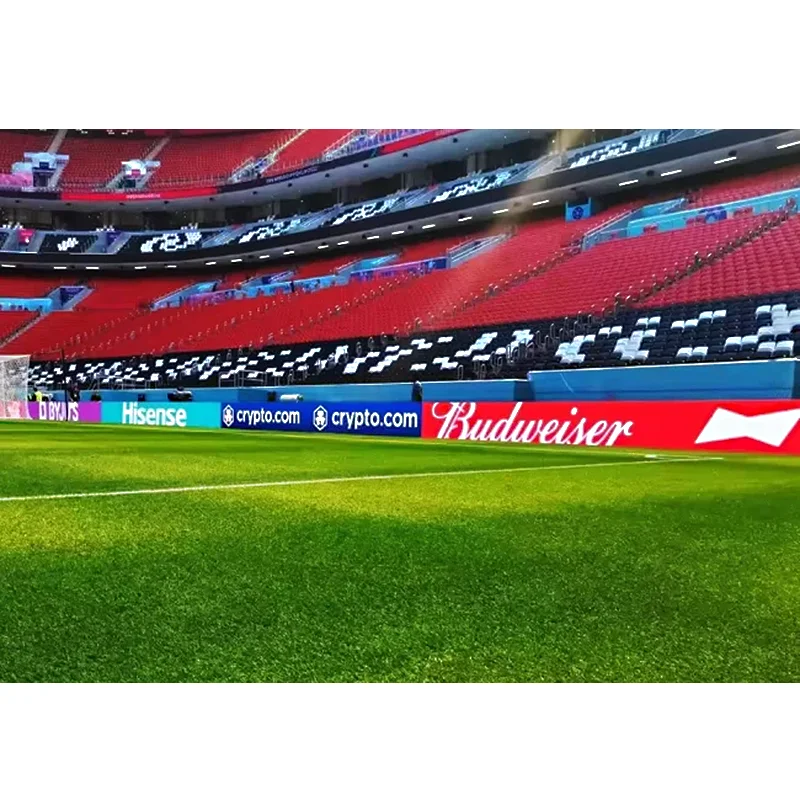
A sports stadium LED display is a large-format digital screen designed specifically for sports venues.
Unlike standard commercial LED displays, stadium LED screens need to meet special requirements:
- High refresh rate
- Wide viewing angle
- High brightness
- Weather resistance
- Impact protection
- Real-time content updates
They are designed to provide clear images for thousands of spectators from different viewing distances.
二、Why Sports Stadiums Need LED Displays
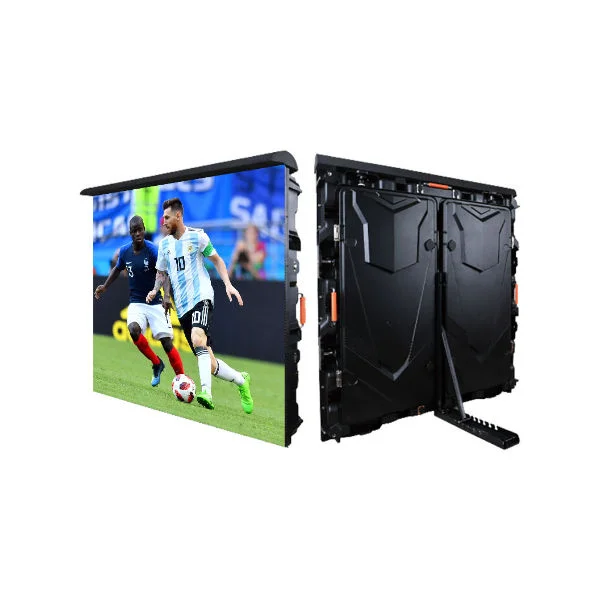
Traditional scoreboards and static advertising boards cannot meet the demands of modern sports events.
A stadium LED display provides:
Real-Time Game Information
Including:
- Scores
- Match time
- Player statistics
- Team information
- Tournament announcements
Enhanced Fan Experience
Large LED screens allow fans to enjoy:
- Live video replay
- Close-up shots
- Slow-motion playback
- Interactive content
Even spectators sitting far away can stay connected with the game.
Increased Advertising Revenue
Sports stadiums generate significant revenue through advertising.
LED perimeter displays and large video screens allow:
- Dynamic advertisements
- Sponsor promotions
- Multiple advertiser rotation
- Real-time campaign updates
Compared with traditional signs, LED advertising provides more flexibility and higher commercial value.
三、Types of LED Displays Used in Sports Stadiums
1. Stadium LED Video Scoreboard
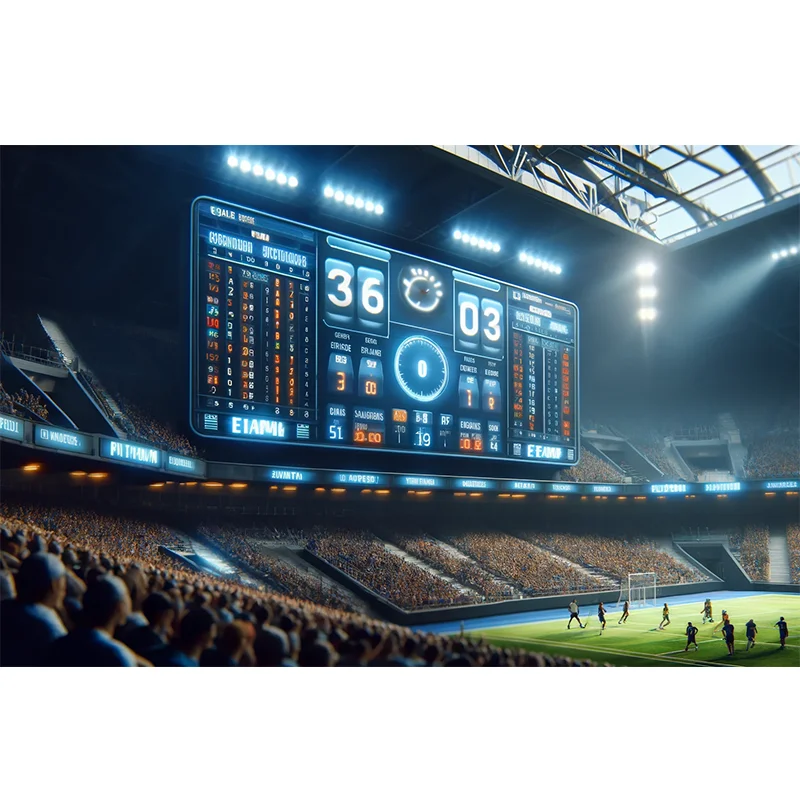
The LED scoreboard is usually installed above the field or at both ends of the stadium.
Main functions:
- Display scores
- Show game statistics
- Play advertisements
- Display live video
Common requirements:
- High brightness
- High resolution
- Large screen size
2. LED Perimeter Display for Sports Field
LED perimeter boards are installed around the playing field.
Common applications:
- Football stadiums
- Soccer fields
- Rugby fields
- Basketball courts
They are used for:
- Sponsor advertising
- Brand promotion
- Match information
Professional sports perimeter LED displays usually include protective designs to prevent damage from balls and player impact.
3. Indoor Sports Arena LED Display
Indoor venues require LED displays with excellent image quality.
Applications:
- Basketball arenas
- Ice hockey stadiums
- Indoor sports centers
Recommended features:
- Fine pixel pitch
- High refresh rate
- Excellent color performance
4. Outdoor Sports Stadium LED Screen
Outdoor stadium displays must handle harsh environments.
Important features:
- High brightness
- Waterproof protection
- Wind resistance
- Temperature resistance
Typical protection:
- IP65 waterproof rating
四、Key Features of Stadium LED Display
1. High Refresh Rate for Live Broadcasting
Refresh rate is extremely important for sports applications.
A low refresh rate may cause:
- Flickering
- Image distortion
- Poor camera performance
Recommended:
- 3840Hz refresh rate for professional sports venues
Benefits:
- Smooth video playback
- Better broadcast quality
- Improved slow-motion replay
2. High Brightness for Outdoor Visibility
Outdoor stadiums have strong sunlight conditions.
A professional stadium LED display requires:
- 5000–8000 nits brightness
This ensures:
- Clear daytime visibility
- Strong contrast
- Better viewing experience
3. Wide Viewing Angle
Spectators sit in different positions around the stadium.
A good stadium LED screen should provide:
- Wide horizontal viewing angle
- Consistent image quality
- Clear colors from different directions
4. Protective LED Cabinet Design
Sports environments require stronger protection.
Features include:
- Front protective mask
- Shock-resistant design
- Waterproof cabinet
- Anti-collision structure
This is especially important for perimeter LED displays near the playing field.
5. Energy-Efficient Operation
Large stadium LED screens operate for many hours.
Energy-saving features help reduce:
- Electricity costs
- Heat generation
- Maintenance requirements
Modern LED displays use:
- High-efficiency LED chips
- Smart brightness adjustment
- Energy-saving power supplies
五、Recommended Pixel Pitch for Stadium LED Display
Pixel pitch depends on:
- Viewing distance
- Screen size
- Installation location
Common choices:
| Application | Recommended Pixel Pitch |
|---|---|
| Large outdoor scoreboard | P5–P10 |
| Football stadium perimeter LED | P6–P10 |
| Basketball arena LED screen | P3–P5 |
| Indoor sports center | P2.5–P4 |
For close-viewing applications, smaller pixel pitch provides better image quality.
六、How to Choose the Right Stadium LED Display?
1. Consider Stadium Size and Viewing Distance
Large stadiums usually have longer viewing distances.
For example:
- 50,000-seat football stadium → P6–P10 may be suitable
- Small indoor arena → P2.5–P4 may be better
2. Consider Outdoor or Indoor Environment
Outdoor Stadium
Focus on:
- Brightness
- Waterproofing
- Wind resistance
- Durability
Indoor Arena
Focus on:
- Resolution
- Color accuracy
- Viewing comfort
3. Choose the Correct Cabinet Design
Sports LED displays require special cabinet structures.
Common designs:
Fixed Installation Cabinet
Suitable for:
- Permanent stadium installations
- Scoreboards
Advantages:
- Stable
- Durable
- Lower maintenance
Rental LED Cabinet
Suitable for:
- Temporary sports events
- Tournaments
Advantages:
- Quick installation
- Easy transportation
七、Stadium LED Display Installation Considerations
Structural Design
Large LED screens require:
- Strong steel structure
- Wind load calculation
- Safe mounting system
Power Supply
Consider:
- Stable power distribution
- Surge protection
- Backup power solutions
Content Management System
A professional system should support:
- Live score integration
- Video playback
- Advertisement scheduling
- Remote control
八、Sports Stadium LED Display Cost Factors
The price depends on:
- Screen size
- Pixel pitch
- Cabinet type
- Brightness
- Refresh rate
- Installation requirements
Main cost factors:
Larger Screen Size
More LED modules and cabinets increase total cost.
Smaller Pixel Pitch
Higher resolution requires:
- More LED chips
- Higher manufacturing precision
Special Sports Protection
Protective designs increase cost but improve reliability.
九、LED Display for Sports Stadium vs Traditional Scoreboard
| Feature | LED Stadium Display | Traditional Scoreboard |
|---|---|---|
| Video playback | Yes | Limited |
| Advertising | Dynamic | Static |
| Live replay | Yes | No |
| Content update | Instant | Limited |
| Fan engagement | High | Low |
Modern stadiums increasingly choose LED displays because they provide both information and commercial value.
十、Frequently Asked Questions
Q1: What is the best LED display for a sports stadium?
The best stadium LED display depends on viewing distance, venue size, and application. Outdoor football stadiums commonly use P6–P10, while indoor arenas often use P2.5–P4.
Q2: Why do sports stadiums use LED perimeter screens?
LED perimeter displays allow sponsors to show dynamic advertisements while providing additional visual engagement for fans.
Q3: What refresh rate is needed for stadium LED screens?
For professional sports broadcasting, a 3840Hz refresh rate is commonly recommended to ensure smooth video capture.
Q4: Are stadium LED displays waterproof?
Yes. Outdoor stadium LED displays are designed with weather protection, commonly using IP65-rated cabinets.
十一、Final Thoughts
A LED display for sports stadium is no longer just a scoreboard—it is a complete digital communication platform that improves fan experience and creates new advertising opportunities.
When selecting a stadium LED display, consider:
- Viewing distance
- Pixel pitch
- Brightness
- Refresh rate
- Protection level
- Installation environment
A professionally designed sports LED display solution helps stadiums deliver unforgettable events while maximizing commercial value.
