

In modern retail architecture, an indoor or outdoor shopping mall LED wall is far more than a simple display—it is an immersive visual anchor that captures consumer attention, elevates brand prestige, and generates substantial advertising revenue. From massive building facade billboards to indoor atrium screens and interactive retail digital signage, commercial LED displays are transforming how shopping centers engage shoppers.
If you are searching for shopping mall LED display guide, indoor atrium LED video wall cost, outdoor mall billboard advertising screen, or how to choose LED display for retail centers, this comprehensive guide covers architectural considerations, pixel pitch selection, brightness requirements, and ROI strategy to help commercial property developers and retail integrators make an informed investment.
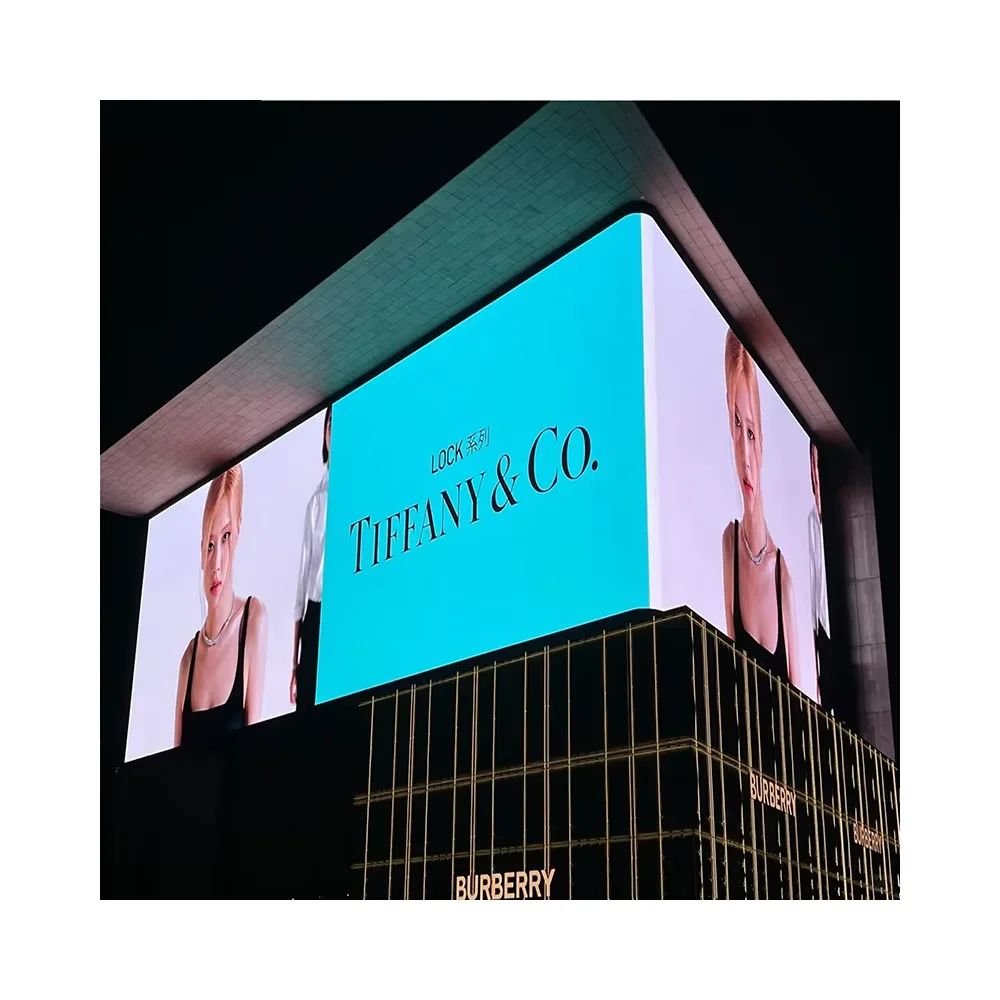
一、 Why Shopping Malls Need High-Impact LED Walls
Shopping centers are transitioning from transactional retail hubs to experiential lifestyle destinations. Installing commercial-grade LED video walls delivers three distinct advantages:
- High-Impact Visual Attraction: Vibrant graphics, 3D anamorphic visuals, and promotional videos capture foot traffic far better than static lightboxes or traditional posters.
- Dynamic Content Flexibility: Mall operators can schedule multiple tenant promotions, seasonal campaigns, live event streams, and emergency announcements instantly via cloud-based software.
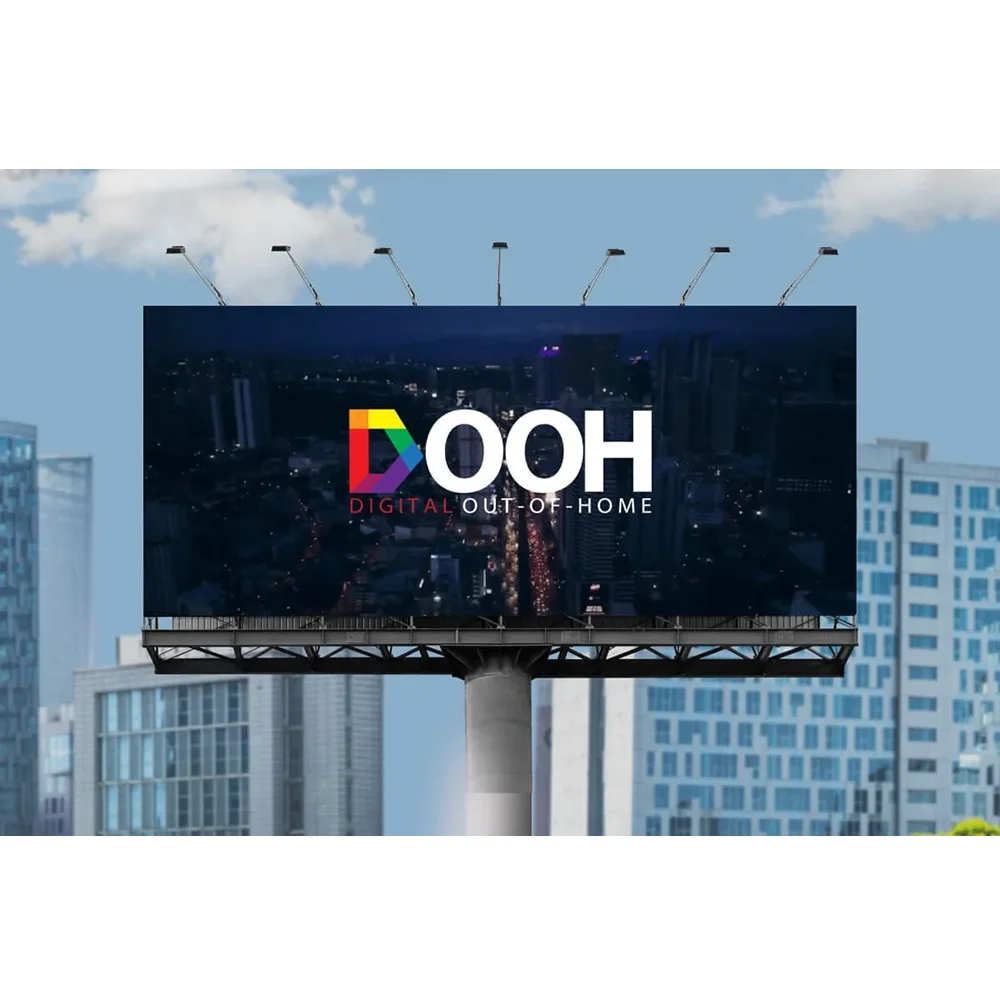
- Monetizable Advertising Revenue (DOOH): High-brightness digital billboards allow property owners to sell screen time to third-party advertisers, premium brands, and anchor tenants, creating a lucrative passive revenue stream.
二、 Typical Shopping Mall LED Display Applications
Different zones within a shopping mall demand specific display structures and pixel density requirements:
| Application Area | Recommended Pixel Pitch | Brightness Level | Primary Function / Visual Focus |
| Building Facade / Outdoor | P4 – P10 | 5,500 – 8,000 nits | High-impact DOOH advertising, landmark branding |
| Indoor Atrium / Center Court | P2.5 – P3.91 | 800 – 1,500 nits | Live events, brand pop-ups, multi-level visibility |
| Retail Storefronts & Windows | P2.5 – P3.91 / Transparent | 1,500 – 4,000 nits | High-street aesthetic, passerby attraction |
| Elevator & Escalator Zones | P1.875 – P2.5 | 600 – 1,000 nits | Close-range promotional messaging, wayfinding |
| Column Wrap Displays | P2.0 – P2.5 Flexible LED | 800 – 1,200 nits | Architectural integration, creative visual art |
三、 Key Engineering Considerations for Mall Installations
1. Brightness & Sunlight Readability
- Outdoor Facade Screens: Must feature ultra-high brightness (≥5,500 nits) and auto-dimming sensors to combat direct sunlight during the day while preventing light pollution at night.
- Glass Window & Atrium Screens: Storefront windows exposed to ambient sunlight require mid-to-high brightness (2,500–4,000 nits) or transparent LED displays to ensure clear visibility without blocking natural indoor light.
2. Pixel Pitch vs. Viewing Distance
Indoor mall displays are viewed from varying distances across multiple floors.
- For close-range viewing (1–3 meters, e.g., storefronts, escalators), opt for fine-pitch P1.8 to P2.5 modules to eliminate pixelation.
- For hanging atrium screens viewed from 5–20 meters across balconies, P3 to P4 provides maximum resolution efficiency at an optimal cost.
3. Maintenance Accessibility (Front vs. Rear Service)
Most indoor mall video walls are mounted flush against structural walls or wrapped around columns where rear space is nonexistent. Selecting 100% front-service magnetic LED modules is crucial, allowing technicians to replace LED tiles or power supplies in seconds using vacuum extraction tools without dismantling the entire structure.
四、 How to Maximize ROI on Shopping Mall LED Displays
To ensure your digital signage project yields strong financial returns, integrate these three commercial strategies:
- Deploy Programmatic DOOH Advertising: Partner with media agencies to sell programmatic ad inventory on your outdoor and atrium screens, filling unsold ad slots automatically.
- Implement Naked-Eye 3D Visuals: Outdoor corner screens configured with L-shaped curved cabinets and custom 3D content turn shopping malls into viral social media destinations, dramatically driving foot traffic.
- Utilize Cloud Content Management Systems (CMS): Choose a centralized, cloud-based media player (e.g., Novastar Taurus series) to manage multi-screen content schedules across different mall zones remotely.
五、 FAQ
Q1: What is the average lifespan of a commercial shopping mall LED display?
A high-quality commercial LED display powered by nationstar LEDs and reliable drivers has an operational lifespan of 100,000 hours (approximately 8 to 10 years of continuous operation).
Q2: Should we choose a standard indoor LED screen or a Transparent LED screen for mall windows?
If preserving natural sunlight and indoor retail visibility is important, Transparent LED screens (offering 60%–80% transparency) are ideal. For high-contrast, rich-color video ads, traditional high-brightness indoor LED modules perform better.
Q3: How much power does a shopping mall LED video wall consume?
六、 Final Thoughts
Integrating an LED wall into a shopping mall is a strategic investment that bridges physical architecture with dynamic digital storytelling. By balancing pixel pitch, structural mounting, front-maintenance needs, and brightness, property owners can transform standard retail spaces into high-converting, immersive commercial landmarks.
Planning a digital video wall project for your commercial property or retail space? Contact our technical engineering team today for a complete design scheme, structural assessment, and factory-direct quotation!
