

As digital technology becomes more deeply integrated into physical environments, one feature is rapidly gaining traction in commercial design: LED screen ceilings.
Once limited to large-scale events and flagship venues, ceiling-mounted LED displays are now widely used across retail, hospitality, corporate, and experiential spaces. In 2026, they are no longer a novelty—they are becoming a strategic design element for immersive environments.
So what exactly is an LED ceiling display, and why are designers specifying them more than ever?
一、What Is an LED Screen Ceiling?
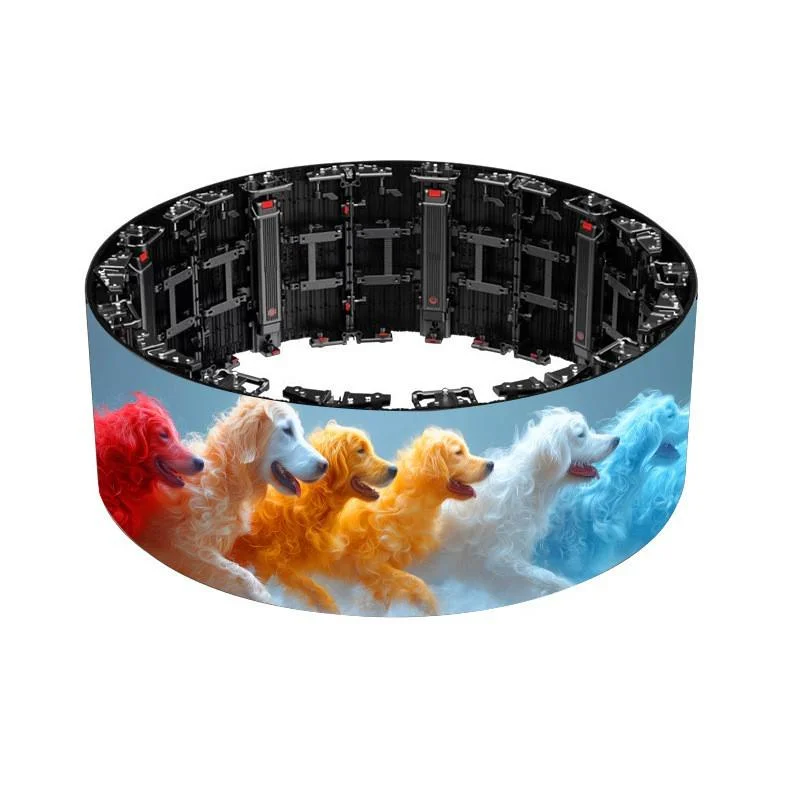
An LED screen ceiling (also known as a ceiling LED display) is a high-resolution LED display system installed overhead instead of on walls or floors.
These installations can range from:
- Small feature panels enhancing specific zones
- To fully integrated ceilings covering entire spaces
Unlike traditional ceiling materials or static lighting, LED ceilings are fully dynamic. They can display:
- Motion graphics and animations
- Brand visuals and campaigns
- Natural simulations (sky, clouds, ocean)
- Interactive content linked to sound, lighting, or movement
With advancements in LED technology, modern ceiling displays are now:
- Ultra-slim and lightweight
- Highly energy-efficient
- Bright and color-accurate even in daylight environments
This makes them practical for long-term commercial use.
二、Why Are Designers Using LED Screen Ceilings More Frequently?
1. Strong Visual Impact Without Occupying Space
LED ceilings transform underutilized overhead space into a powerful visual asset.
They:
- Draw attention upward
- Enhance spatial perception
- Instantly elevate the perceived value of a venue
This is especially effective in:
- Flagship retail stores
- Hotel lobbies
- Showrooms
- Corporate reception areas
2. Creating Immersive and Emotional Experiences
Compared to wall-mounted displays, ceiling LED screens provide a more subtle and immersive experience.
Instead of direct advertising, they influence atmosphere through:
- Soft motion visuals
- Ambient lighting effects
- Environmental storytelling
This approach is widely used in:
- Wellness and spa environments
- Museums and exhibitions
- Airports and transport hubs
3. Flexible Branding and Content Updates
One of the biggest advantages of LED technology is content flexibility.
A ceiling LED display allows businesses to:
- Update visuals instantly
- Adapt to seasonal campaigns
- Customize content for events
- Maintain brand consistency across spaces
This eliminates the need for frequent physical redesigns, saving both time and cost.
三、Are LED Screen Ceilings Practical for Commercial Projects?
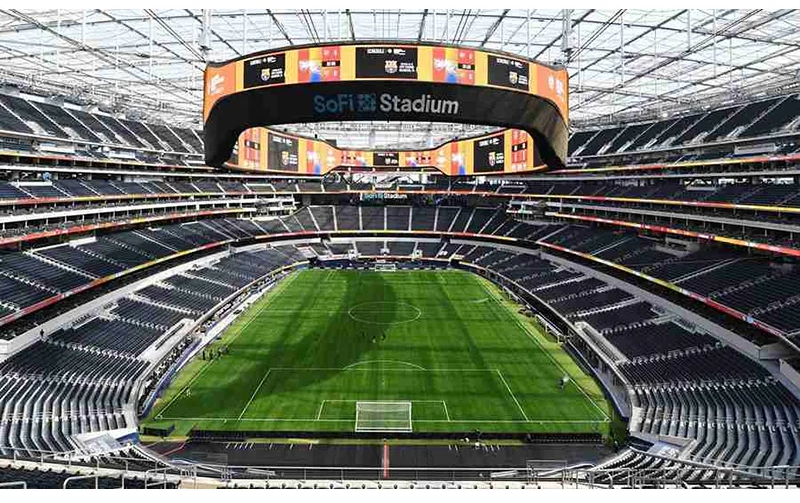
In 2026, LED ceiling systems have matured into reliable commercial solutions.
Modern systems offer:
- Energy efficiency – lower consumption compared to traditional lighting setups
- Modular design – easier installation and scalability
- Low maintenance – front or rear service access options
- High brightness & contrast – suitable for well-lit environments
When properly engineered and installed, LED ceilings are:
- Structurally safe
- Long-lasting
- Fully compliant with commercial building standards
四、Best Content Types for Ceiling LED Displays
Unlike traditional advertising screens, ceiling displays work best with atmospheric and non-intrusive content.
Popular content styles include:
- Slow-moving abstract visuals
- Natural elements (sky, clouds, water, forest scenes)
- Subtle brand animations
- Architectural textures and patterns
For advanced projects, LED ceilings can also be synchronized with:
- Wall-mounted LED video walls
- Digital signage
- Interactive systems
This creates a fully cohesive visual experience across the entire space.
五、LED Ceiling vs Traditional Ceiling Design
Traditional ceilings rely on static elements such as:
- Lighting fixtures
- Decorative panels
- Architectural detailing
While effective, they lack flexibility.
In contrast, LED screen ceilings provide:
- Real-time content updates
- Multi-functional use (lighting + media display)
- Long-term adaptability without renovation
This makes them a future-proof investment rather than a fixed design element.
六、Are LED Screen Ceilings Suitable for Every Space?
LED ceilings are not necessary for every project, but they are highly effective in environments where:
- Brand experience is a priority
- Foot traffic is high
- Visual differentiation is important
- Content updates are frequent
Key factors to consider include:
- Ceiling height
- Viewing angles
- Pixel pitch
- Brightness requirements
Working with an experienced LED display supplier ensures the system is properly specified and integrated.
七、Why LED Screen Ceilings Are a Key Design Trend in 2026
LED screen ceilings represent the convergence of architecture, digital media, and user experience.
They enable businesses to:
- Create memorable environments
- Strengthen brand identity
- Adapt visuals without disruption
- Future-proof their spaces
As expectations for immersive environments continue to grow, LED ceilings are becoming a go-to solution for forward-thinking designers and brands.
八、Conclusion
LED screen ceilings are no longer just a high-end feature—they are a practical, scalable, and impactful solution for modern commercial spaces.
For businesses looking to stand out and deliver immersive experiences, investing in a ceiling LED display is a strategic move in 2026 and beyond.
