

Looking ahead to 2026, driven by segments such as sporting events [2026 World Baseball Classic (WBC) / 2026 FIFA World Cup], all-in-one LED displays, and cinema LED displays, the end-user LED display market is optimistically projected to reach US$8.105 billion. Benefiting from the demand for high resolution and high dynamic range (HDR), the corporate and education, virtual production, and home theater and cinema markets are expected to experience stable growth.
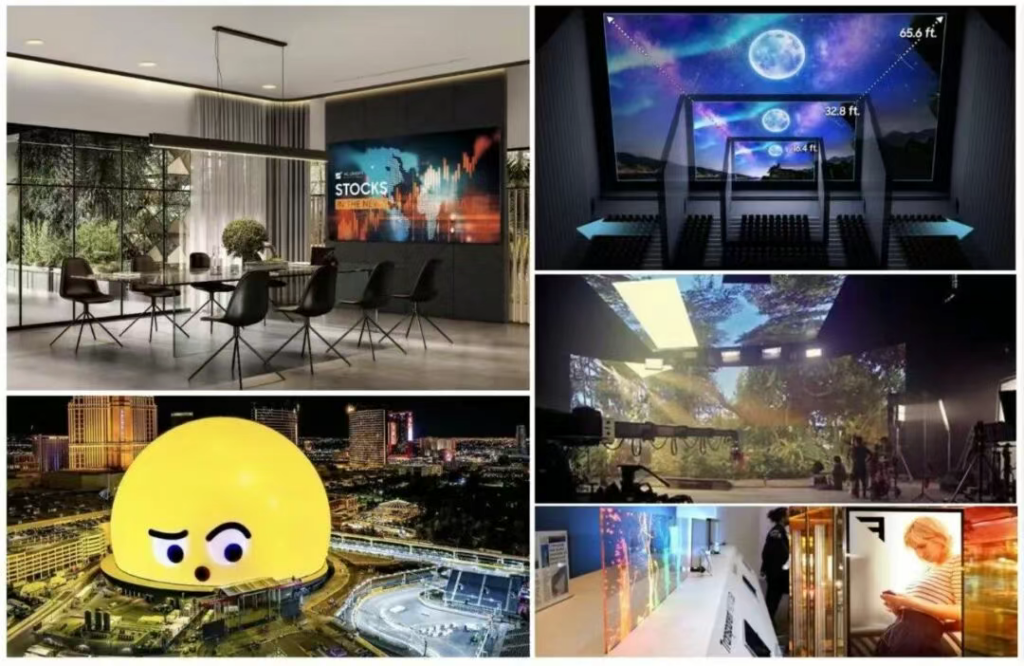
一、Micro/Mini LED Displays
With brands and panel manufacturers continuously optimizing Micro LED TV technology and costs, Micro LED TV shipments are expected to grow steadily year by year and be introduced into home theaters, exhibitions, and corporate and education spaces. At the same time, technological innovation is expected to move towards larger sizes to reduce reliance on side wiring; application innovation also foresees Micro LED transparent displays being suitable for retail, cultural spaces, and the hospitality industry, serving as auxiliary displays for product introductions. Both Micro LED TVs and Micro LED transparent displays are expected to shine in 2026.
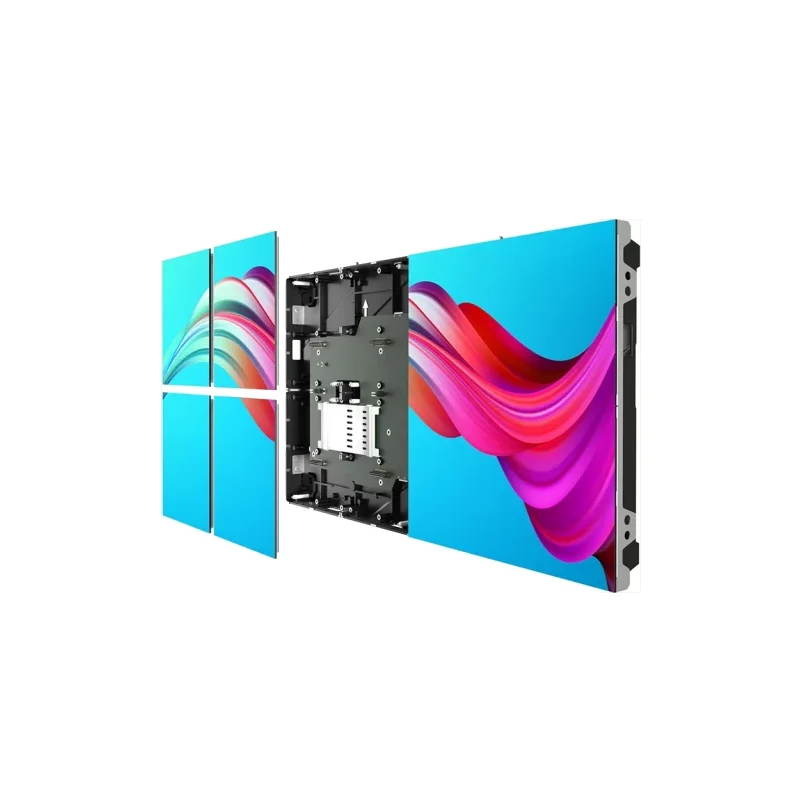
The Mini LED display market size is expected to grow by 25% in 2025. Among them, P1.2 will be the mainstream product, accounting for >50%. In the long term, with the stable development of Mini LED technology and production capacity, the Mini LED display market size is expected to reach US$2.194 billion in 2029, with a compound annual growth rate of 28% from 2024 to 2029.
二、All-in-One LED Displays
In 2025, the international market demand for all-in-one LED displays will continue to increase, with expected shipments reaching 12,850 units.
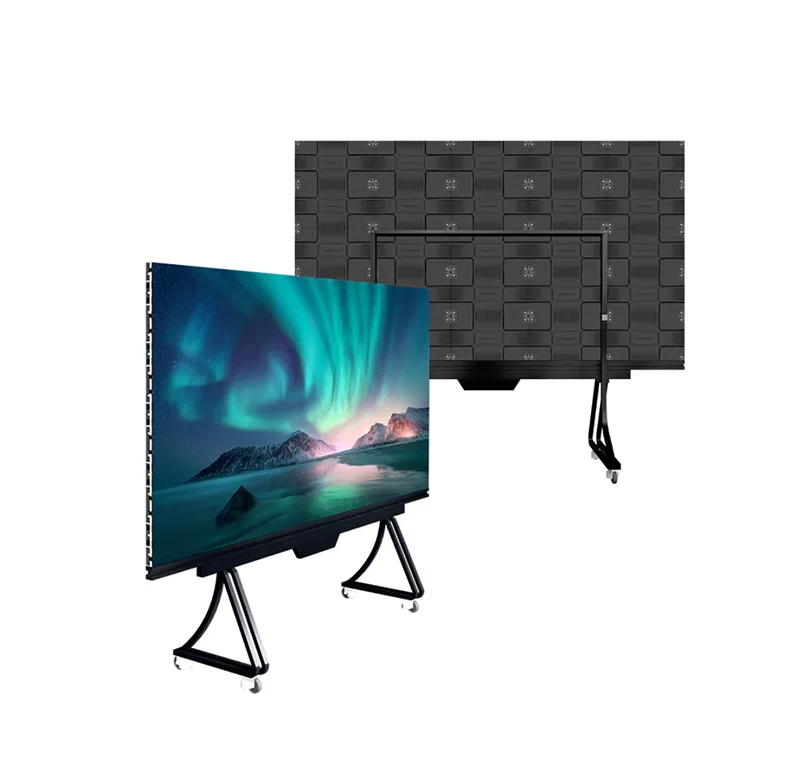
From 2025 onwards, the mainstream product specifications for all-in-one LED displays will again shift towards a 16:9 aspect ratio, with 135-inch 2K P1.5 LED all-in-one displays being the main product, featuring a foldable design for easier transportation and helping companies reduce their cost of ownership. According to research, COB technology can improve color uniformity, contrast, and viewing angle display effects.
Overall, the proportion of COB technology will remain at 25-30% in 2024-2025. In addition, starting in 2025, LED display manufacturers will actively promote 162-163 inch 4K P0.9 LED all-in-one displays for high-end commercial displays and home theaters.
三、Cinema LED Displays
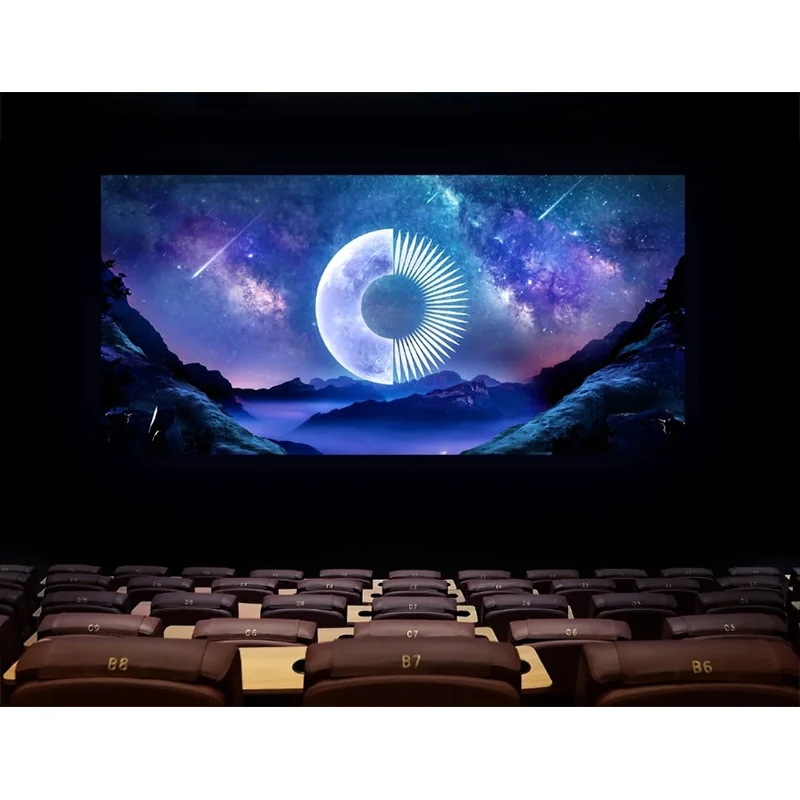
In 2024, the Chinese government introduced policies to promote LED displays in cinemas, so the Chinese cinema LED display market is expected to continue its growth trend in 2025, driving a potential 75% increase in global new installations. Cinema LED displays typically have aspect ratios of 1.85:1 (US standard widescreen), 1.82:1, 1.90:1, 1.96:1, 2.39:1 (general widescreen), etc., with lengths usually ranging from 4-6m, 10m, 14m, 16m, and 20m. In 2025, the proportion of newly installed cinema LED displays with 16m and 20m specifications will continue to increase.
四、Virtual Production LED Displays
In 2025, the European and American markets will see a decline in demand for virtual production LED displays due to reduced consumer spending on entertainment and decreased investment in the film and television industry; the Chinese market will also experience lower-than-expected demand for virtual production LED displays due to reduced social investment and consumption downgrading; while Thailand, Singapore, Japan, and Australia have market demand for virtual production, budget constraints will lead to a preference for smaller virtual production studios.
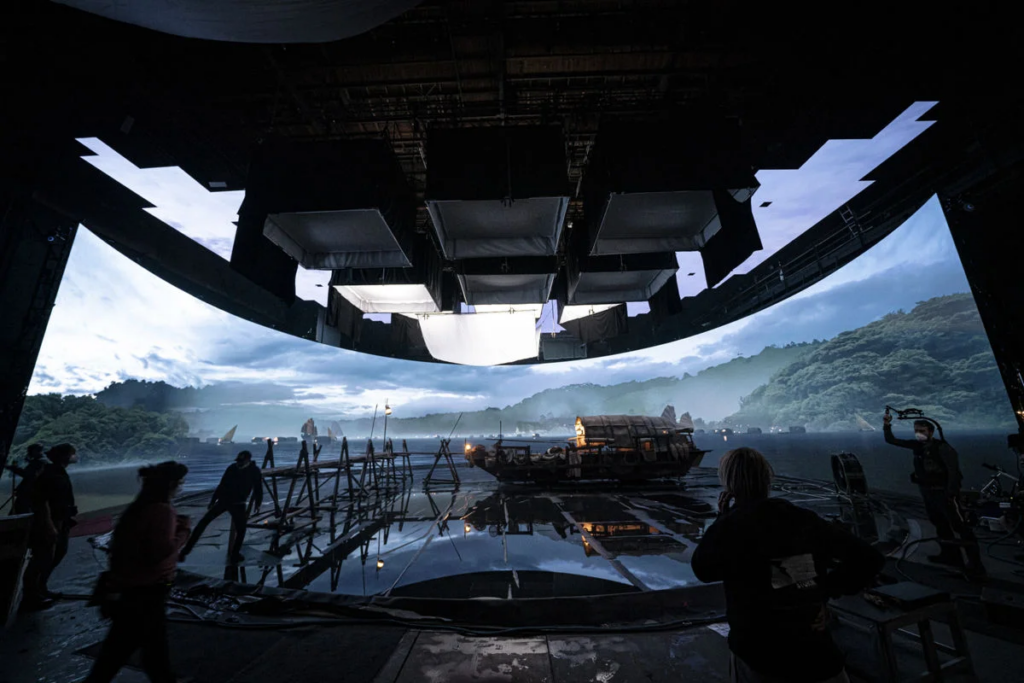
Considering budget factors, the mainstream specifications for general background displays are concentrated in >P2.1, such as P2.3, P2.6, and P2.8; however, high-end film and television production requires higher brightness and display effects, and for close-up shots, P1.2-P1.6 Mini LED displays are used. Floor tile displays have specifications of P2-P4, and are gradually adopting Mini LED displays to meet the requirements of immersive experiences; ceiling displays have specifications of P3.9-P6, emphasizing high brightness.
五、LED Rental Displays
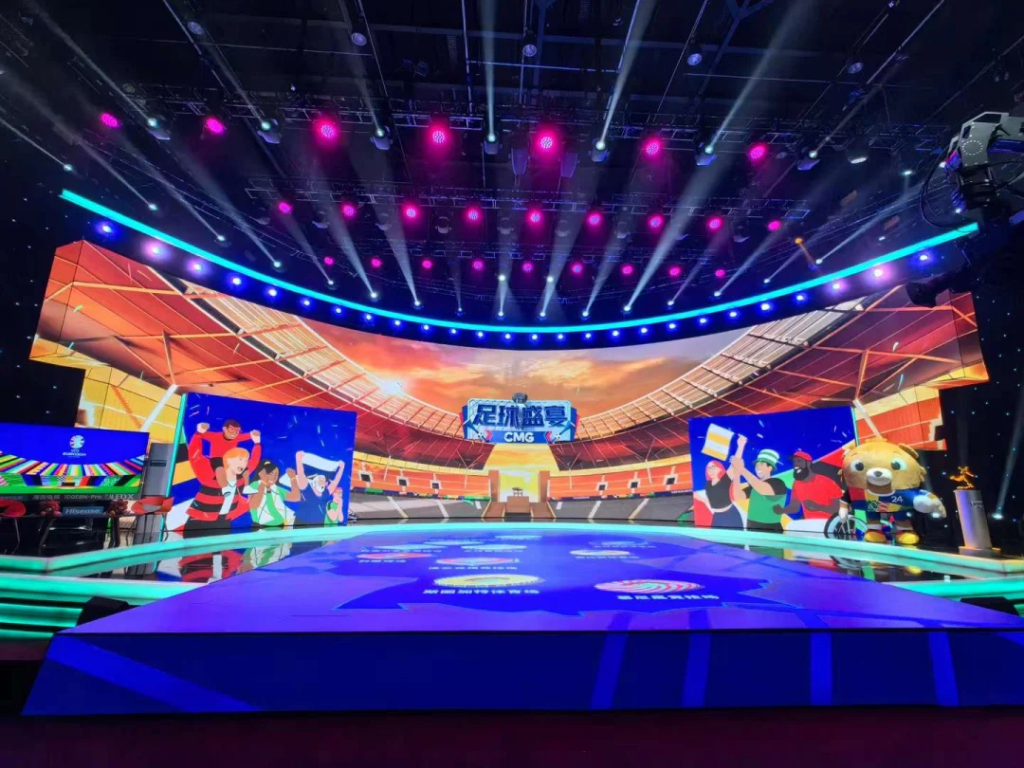
With the decrease in LED display prices, the popularity of LED rental displays continues to increase. Various live events and sporting events are using more LED display products to create stunning visual effects.
In the long term, with the increasing popularity of LED rental displays, the market is expected to reach US$2.244 billion by 2029, with a compound annual growth rate of 8% from 2024 to 2029. High-end LED rental displays require characteristics such as high brightness, high refresh rate, high resolution, energy efficiency, high product stability, lightweight design, and easy installation and disassembly.
六、LED Outdoor Displays
According to research, LED outdoor display applications in advertising/billboards, transportation/variable message signs (VMS), and sports/education are expected to maintain steady growth until 2026. Outdoor fine-pitch products are used in street furniture and bus shelter advertising displays.

To meet display requirements, LED outdoor fine-pitch displays are gradually adopting 4-in-1 Mini LED, 1010 LED (Flip Chip), Mini LED (COB), and MiP technologies. The advantage of Mini LED (COB) technology lies in its high pixel density and excellent display effects, therefore, LED display manufacturers are actively launching Mini LED (COB) technology into the outdoor fine-pitch display market.
Chinastar provides insights into global LED display industry trends, covering market and product trends and manufacturer dynamics in areas such as Micro/Mini LED displays, LED outdoor displays, LED all-in-one displays, virtual production LED displays, cinema LED displays, LED rental displays, driver ICs, and controller systems.
